
Blog
7 Essential Differences Between Somali and Saudi Abayas in 2026
02
Jun
Jun
7 Essential Differences Between Somali and Saudi Abayas in 2026
Stepping into the world of modest fashion, you quickly realize it’s a rich tapestry of styles, traditions, and cultural nuances. The abaya, a symbol of modesty and elegance, takes on diverse forms across different regions. Two prominent styles that often spark curiosity are the Somali and Saudi abayas, each with its unique charm and purpose.
Understanding the somali vs saudi abaya differences isn’t just about fashion; it’s about appreciating the cultural heritage woven into every stitch. Let’s delve into what sets these beautiful garments apart and help you find your perfect match for any occasion.
“Modesty is not merely a garment; it’s a reflection of inner beauty and character, expressed uniquely through cultural artistry.”
1. Silhouette and Fit
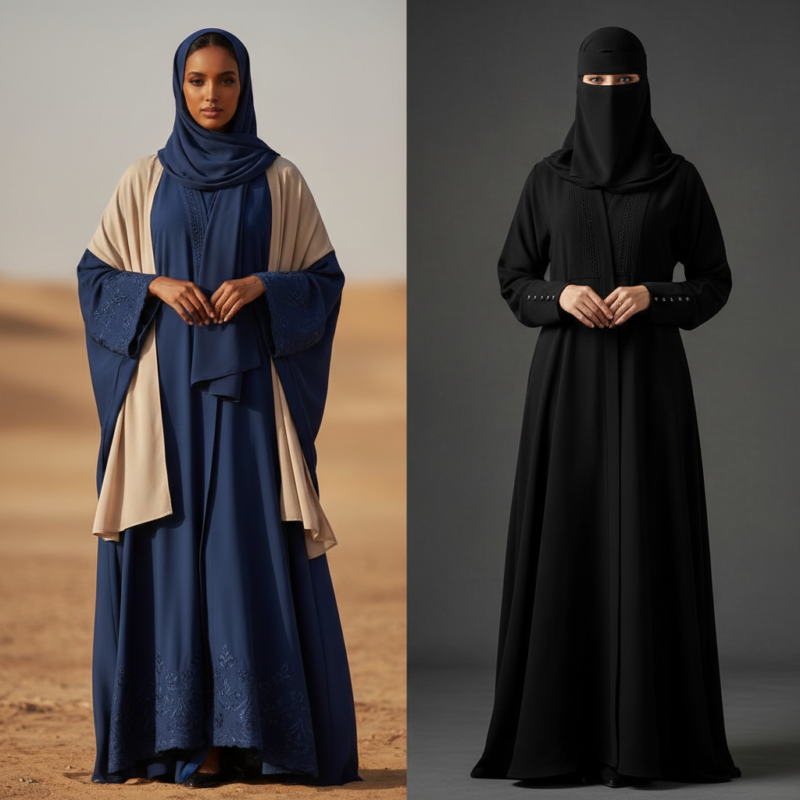
Saudi Abaya: Traditionally, Saudi abayas are known for their loose, flowing, and often voluminous silhouette. They are designed for maximum modesty, typically starting from the shoulders and falling straight down, often with wide sleeves. The aim is to obscure the body’s natural form completely.
Somali Abaya: Somali abayas, while still modest, tend to have a slightly more tailored, yet still comfortable, fit. They often drape gracefully from the shoulders but might feature subtle seaming or shaping that gives a more defined (though not form-fitting) silhouette. Some styles incorporate a gentle A-line cut or a more structured sleeve.
2. Color Palette and Embellishments
Saudi Abaya: The classic Saudi abaya is almost exclusively black, symbolizing modesty and elegance. Any embellishments are usually subtle, often featuring intricate black-on-black embroidery, minimal crystal work on the cuffs or hem, or delicate lace detailing. The focus is on understated luxury.
Somali Abaya: Somali abayas embrace a much broader and vibrant color palette. While black is common, you’ll frequently find them in rich jewel tones like deep blues, emerald greens, burgundies, and even earthy browns. Embellishments can be more pronounced, often featuring colorful embroidery, beadwork, or distinct patterns, reflecting the Horn of Africa’s diverse textile traditions. Discover our vibrant range of modest dresses that echo this diverse aesthetic.
3. Fabric Weight and Climate Suitability
Saudi Abaya: Given the hot desert climate, Saudi abayas are typically made from lightweight, breathable fabrics like crepe, nida, or high-quality polyester blends. These materials allow air circulation and provide comfort in intense heat. They prioritize fluidity and ease of movement.
Somali Abaya: Somali abayas are also designed for warm climates, but may use slightly heavier, more opaque fabrics like certain types of polyester, flowing cotton blends, or even some thicker traditional weaves, especially for special occasions. The choice of fabric balances modesty, drape, and the practical needs of daily wear.
4. Occasion and Formality
Saudi Abaya: The Saudi abaya serves as everyday wear for women in Saudi Arabia, from running errands to attending formal events. Its inherent elegance makes it suitable for all occasions, often elevated with specific accessories for formal gatherings.
Somali Abaya: Somali abayas are versatile and worn for both daily activities and special occasions. More ornate and colorful versions are popular for Eid, weddings, and family gatherings. The vibrancy often dictates the formality, with simpler designs for everyday use. Explore our collection of abayas suitable for every event.
5. Head Covering Pairing
Saudi Abaya: A Saudi abaya is almost always paired with a black hijab or niqab, maintaining a consistent and unified modest appearance. The head covering typically matches the abaya in material and color, contributing to the streamlined look.
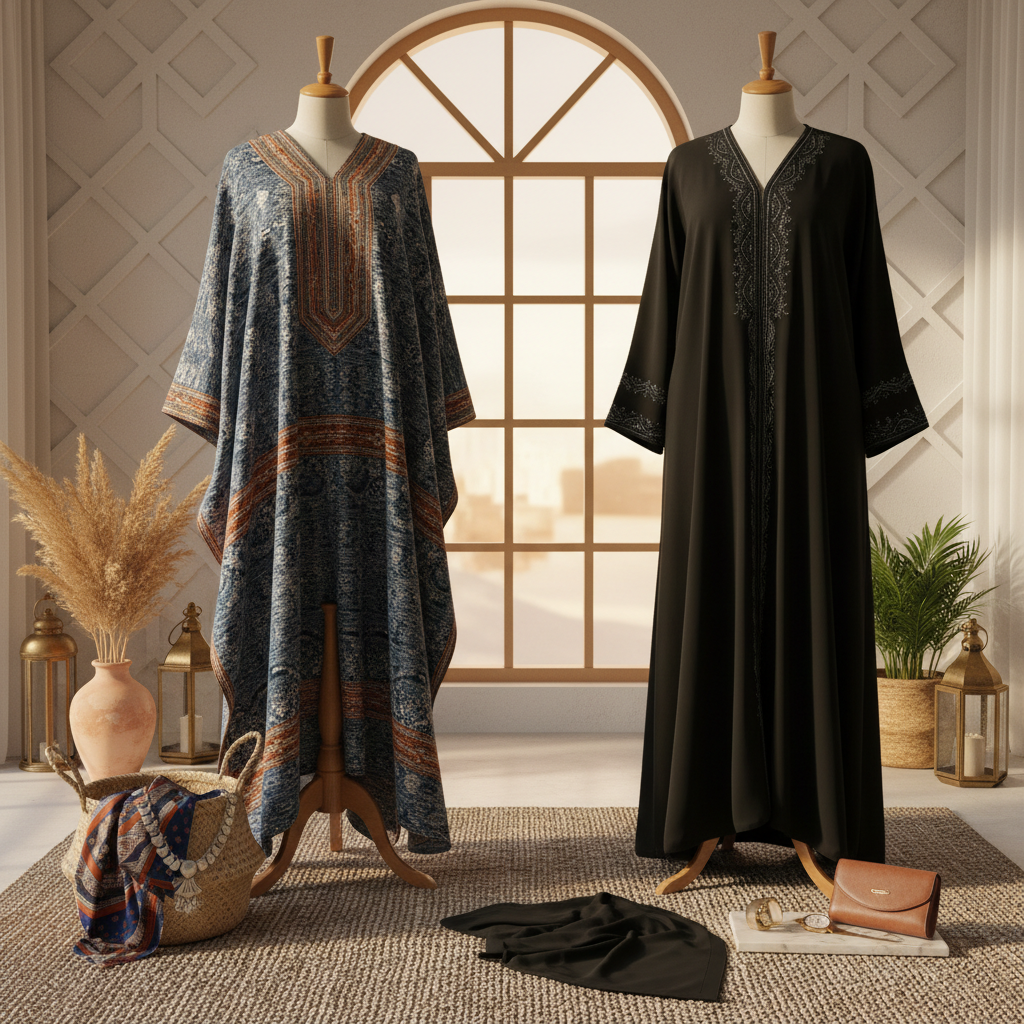
Somali Abaya: Somali abayas are often paired with a variety of head coverings, including the shayla (a long, rectangular scarf), jilbab, or even colorful hijabs that complement or contrast the abaya’s hues. The choice often depends on personal style, region, and formality of the occasion.
6. Cultural Context and Evolution
Saudi Abaya: Rooted deeply in conservative Islamic tradition and local customs of the Arabian Peninsula, the Saudi abaya has historically been a symbol of adherence to religious and societal norms. While modern designs incorporate subtle fashion trends, its core purpose of modesty remains paramount.
Somali Abaya: The Somali abaya draws on the rich textile heritage and modest dressing traditions of the Horn of Africa. Its evolution reflects a fusion of Islamic modesty with vibrant African aesthetics, often incorporating unique cuts and fabric choices that align with regional preferences and practicalities.
7. Styling and Layering
Saudi Abaya: Styling a Saudi abaya usually involves focusing on what to wear underneath (modest clothes like trousers and a long-sleeved top) and accessorizing with elegant handbags, shoes, and sometimes a statement brooch. Layering is minimal due to the garment’s voluminous nature.
💡 Pro Tip: When choosing between styles, consider your local climate and personal preference for color and embellishment. A lightweight Nida fabric Saudi abaya is perfect for extreme heat, while a richly embroidered Somali abaya makes a statement for special occasions.
Somali Abaya: Somali abayas offer more flexibility in styling. They can be worn over simpler outfits like dresses or separates. Accessories might include statement jewelry, scarves, and even belts to subtly define the waist in certain styles. Layering is an option, especially with lighter materials, for added modesty or warmth.
FAQs About Somali vs. Saudi Abayas
Q: Which abaya is considered more traditional or modest?
Both styles are inherently modest, but the traditional black, flowing Saudi abaya is often seen as the epitome of classic, unadorned modesty. Somali abayas, while modest, often incorporate more color and visible embellishments.
Q: Are Somali abayas typically colorful?
Yes, compared to the predominantly black Saudi abaya, Somali abayas are well-known for their diverse and vibrant color palettes, often featuring rich jewel tones and intricate patterns.
Q: Can non-Somali or non-Saudi women wear these styles?
Absolutely! Modest fashion is for everyone. Many women globally appreciate the beauty and practicality of both Somali and Saudi abayas. The key is to wear them respectfully and with an understanding of their cultural significance.