
Blog
7 Essential Factors in a Somali Abaya Pricing Guide
24
Apr
Apr
7 Essential Factors in a Somali Abaya Pricing Guide
Dreaming of adding a beautiful Somali abaya to your wardrobe, but unsure about the price tag? You’re not alone! Navigating the world of traditional wear can be tricky, especially when quality and craftsmanship vary so widely. This comprehensive Somali abaya pricing guide will demystify the costs, helping you understand where your money goes and how to find the perfect piece.
From luxurious fabrics to intricate handwork, many elements influence an abaya’s value. Let’s dive deep into the factors that shape the price you pay, ensuring you make an informed decision for your next cherished purchase.
1. Fabric Quality and Type
The foundation of any abaya’s price begins with its fabric. Premium materials, like high-grade Nida, soft Korean crepe, or flowing silk blends, command higher prices due to their luxurious feel, durability, and drape. Basic polyester or cotton blends are more affordable.
For a daily abaya, a good quality Nida offers durability and elegance without breaking the bank. For special occasions, consider a silk blend for unparalleled comfort and sheen. Always check the fabric composition for clarity.
2. Embellishments and Craftsmanship
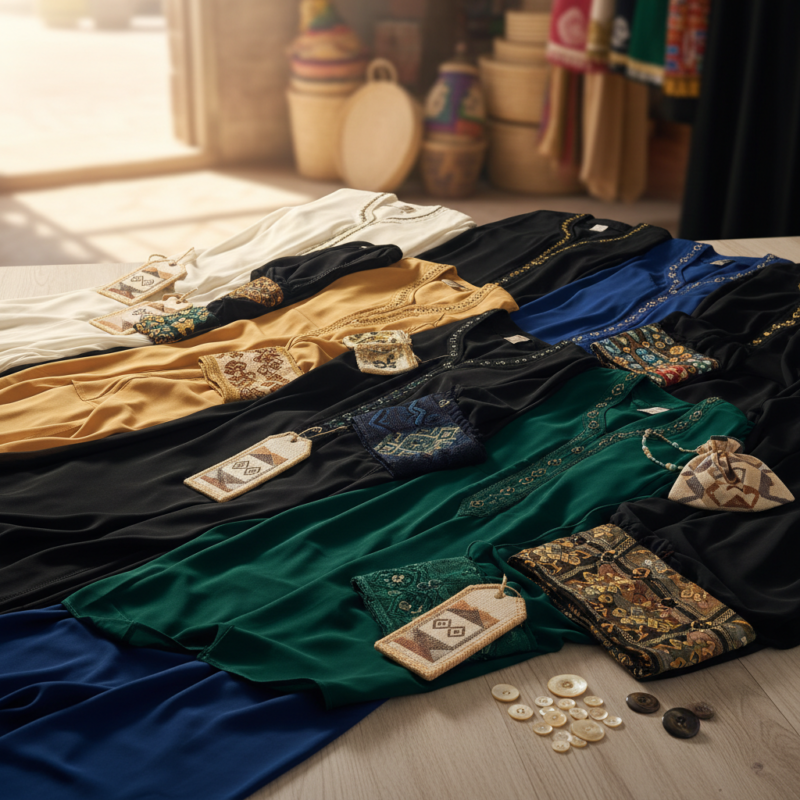
The artistry applied to an abaya significantly impacts its cost. Hand-embroidered details, intricate beadwork, delicate lace appliqués, or crystal embellishments require skilled labor and time, driving up the price. Machine-made embellishments are generally more budget-friendly.
“An abaya is more than just clothing; it’s a statement of elegance and cultural identity, often reflected in its meticulous detailing.”
Consider the density and complexity of the embellishment. A heavily beaded abaya for an Eid celebration will naturally cost more than a simple, plain design for everyday wear. Look for clean stitching and securely attached adornments.
3. Design Complexity and Silhouette
A simple, straight-cut abaya will be less expensive than a complex design featuring multiple layers, unique cuts (like batwing sleeves or pleats), or tailored elements. Custom designs or those from renowned designers also fetch a higher price.

A flowing kimono-style abaya might be more costly due to the extra fabric and specialized cutting required. Explore a range of beautiful silhouettes at AMO Fashion for diverse options.
4. Brand Reputation and Sourcing
Established brands known for their quality, ethical sourcing, and unique designs often price their abayas higher. You’re paying for their reputation, consistent quality assurance, and often, exclusive designs. Smaller, local artisans might offer competitive pricing for similar quality.
💡 Pro Tip: Research boutique brands and independent designers. They often produce high-quality, unique Somali abayas that offer excellent value, bypassing larger brand markups.
5. Customization and Tailoring
If you’re opting for a custom-made abaya that perfectly fits your measurements and preferences, expect to pay a premium. This includes requests for unique color combinations, specific embellishment placements, or personalized sizing. Tailoring existing pieces also adds to the final cost.
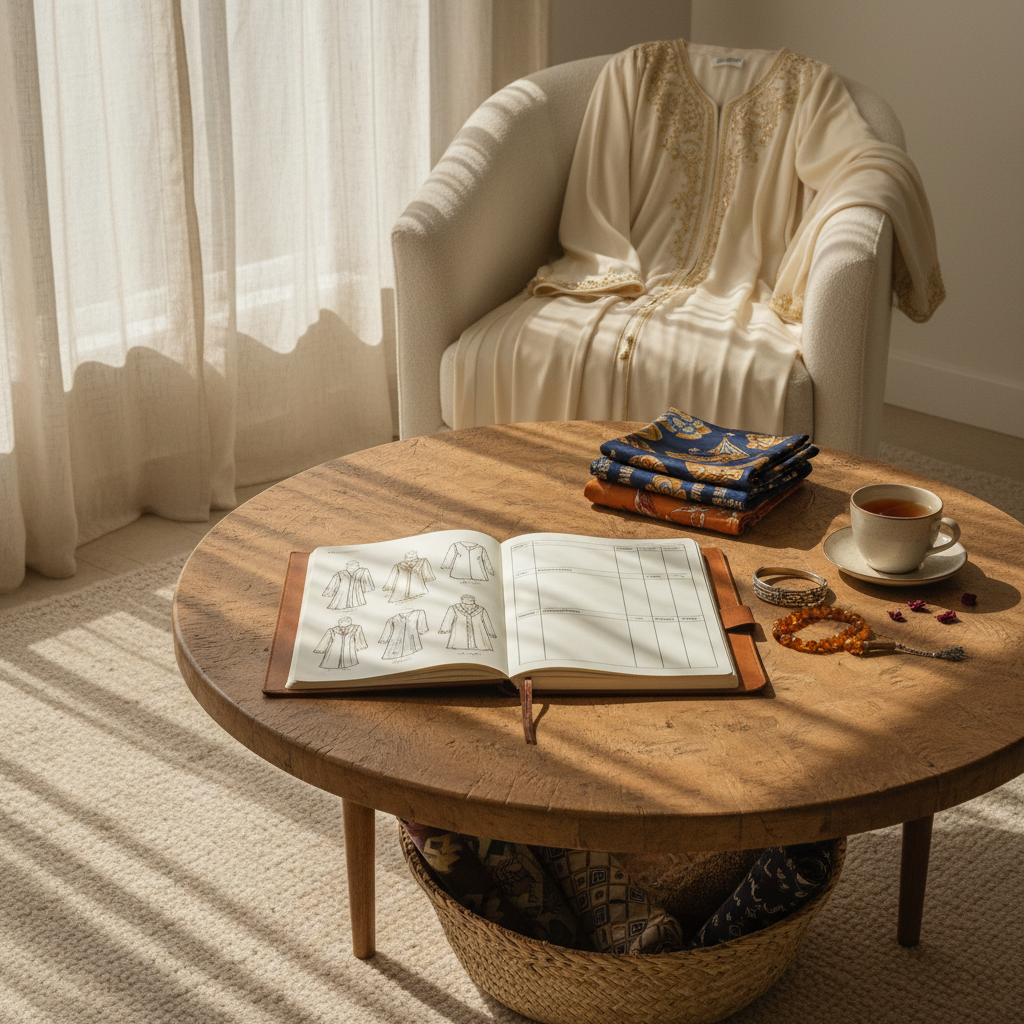
A made-to-measure abaya ensures a flawless fit, which is invaluable for special occasions. Ensure you communicate all your requirements clearly with the designer.
6. Regional Differences and Market
The price of a Somali abaya can vary significantly depending on where it’s purchased. Abayas bought directly from Somalia or within strong Somali diaspora communities might have different pricing structures compared to those sold in international online boutiques or high-end fashion stores in Western countries.
Online marketplaces like AMO Fashion’s new arrivals often provide competitive global pricing and a wider selection.
7. Shipping, Taxes, and Import Duties
Don’t forget to factor in these additional costs, especially when purchasing internationally. Shipping fees can range from standard to expedited, and import taxes or duties can sometimes add a significant percentage to the final price, depending on your location.
Always check the retailer’s shipping policy and inquire about potential import duties to avoid any surprises. Reputable sellers will be transparent about these extra charges.
FAQ: What is the average price range for a good quality Somali abaya?
A good quality Somali abaya typically ranges from $70 to $200. Prices can be lower for basic designs with synthetic fabrics or significantly higher ($300+) for heavily embellished, custom-designed, or designer pieces made from premium materials.
FAQ: How do I know if an abaya is good value for its price?
Look at the fabric quality (is it opaque, soft, and durable?), the neatness of stitching and embellishments, and the overall construction. Does it drape well? Does it look like it will last? Compare similar designs across different retailers to gauge fair pricing.
FAQ: Are abayas from online stores generally cheaper?
Online stores often offer competitive pricing due to lower overheads compared to physical boutiques. However, always prioritize reputable online stores like AMO Fashion that provide clear product descriptions, good customer service, and transparent return policies to ensure quality.