
Blog
5 Essential Tips for Choosing Your Handmade Moroccan Abaya in 2026
04
Aug
Aug
5 Essential Tips for Choosing Your Handmade Moroccan Abaya in 2026
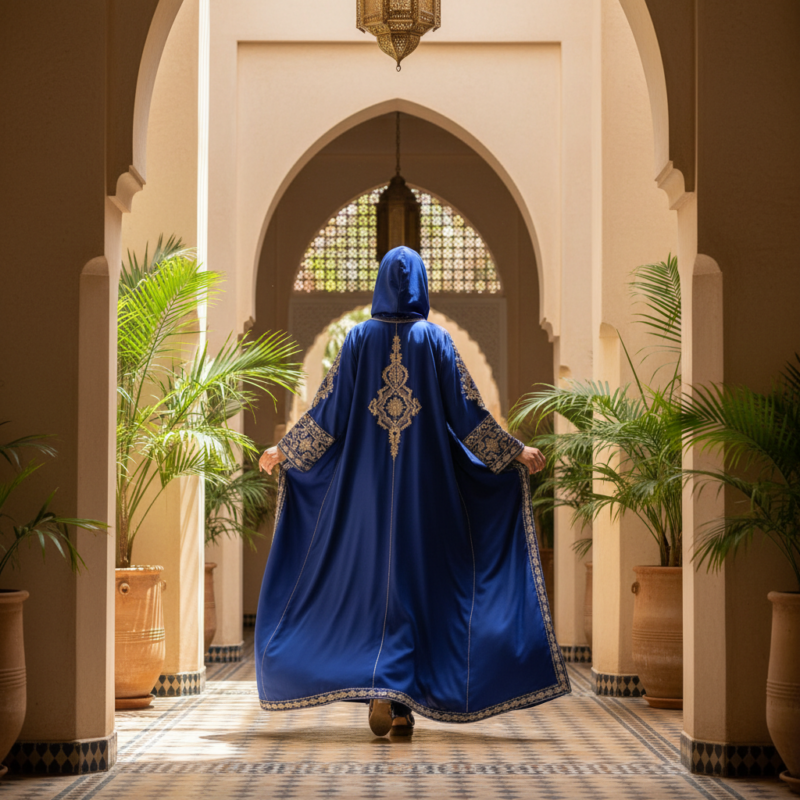
There’s an undeniable allure to a handmade Moroccan abaya, a garment that tells a story of rich heritage, meticulous craftsmanship, and timeless elegance. Far beyond simple clothing, these pieces are wearable art, embodying Moroccan culture through every stitch and fabric choice. But with so many options available, how do you ensure you’re investing in a truly authentic and high-quality piece? This guide provides five essential tips to help you make an informed choice in 2026, ensuring your abaya is as unique as you are.
1. Understand the Craft: What Makes It Truly Handmade?
The term “handmade” isn’t just a label; it signifies a distinct process. A genuine handmade Moroccan abaya involves traditional techniques passed down through generations. Look for details like intricate sfifa (braiding), aqad (hand-knotted buttons), and detailed embroidery that show irregularities and unique characteristics—proof of human touch. Machine-made versions, while sometimes beautiful, will have perfect uniformity that lacks the soul of artisanal work.
“A truly handmade garment is a conversation between the artisan’s hands and the soul of the fabric. It carries an essence no machine can replicate.”
2. Fabric Matters: A Guide to Moroccan Abaya Materials
The choice of fabric significantly impacts the abaya’s drape, comfort, and occasion suitability. Moroccan artisans often work with luxurious materials. For warmer climates or everyday wear, consider lightweight linen or soft crepe. For formal events like Eid or weddings, opulent satin or delicate silk blends offer a rich flow and sheen. Don’t forget the quality of embroidery thread—silk threads elevate the garment’s elegance.
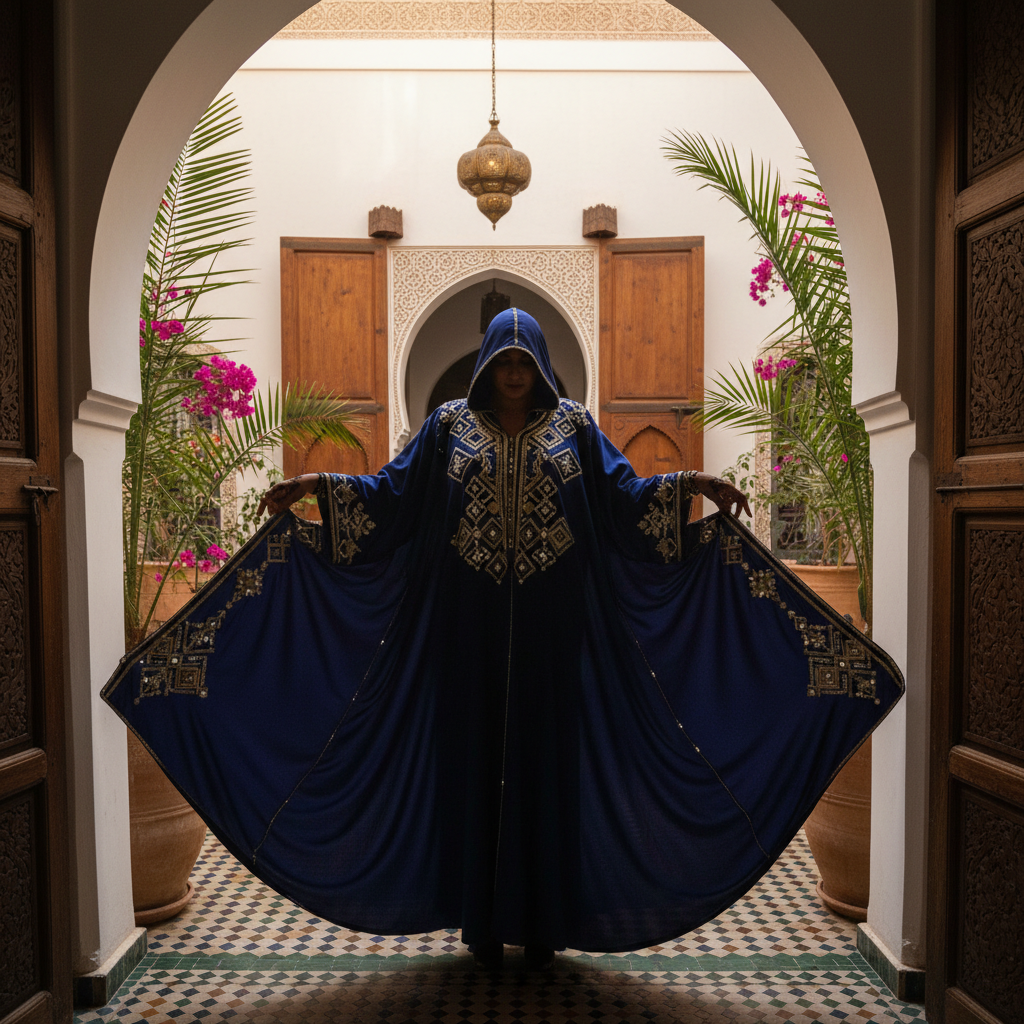
- Linen: Breathable, ideal for daily wear and warmer seasons.
- Crepe: Soft, flowing, and versatile for various occasions.
- Satin: Luxurious sheen, perfect for evening wear and special events.
- Silk Blends: Elegant drape, often chosen for formal or celebratory abayas.
3. Decoding Moroccan Design Details & Regional Influences
Moroccan abayas are distinct from their Gulf counterparts. They often incorporate elements reminiscent of the Moroccan kaftan, featuring more relaxed, flowing silhouettes, and sometimes wider sleeves. Key design elements to look for include the aforementioned sfifa and aqad, often running along the front opening and sleeve cuffs. Some designs might feature specific regional motifs or embroidery patterns unique to cities like Fez or Marrakech, adding another layer of authenticity and storytelling to your piece. These unique touches truly set a Moroccan abaya apart.
💡 Pro Tip: When shopping online, ask for close-up photos of the sfifa and aqad. Irregularities are often a positive sign of genuine handcraftsmanship.
4. Sizing, Fit, and Occasion Guidance
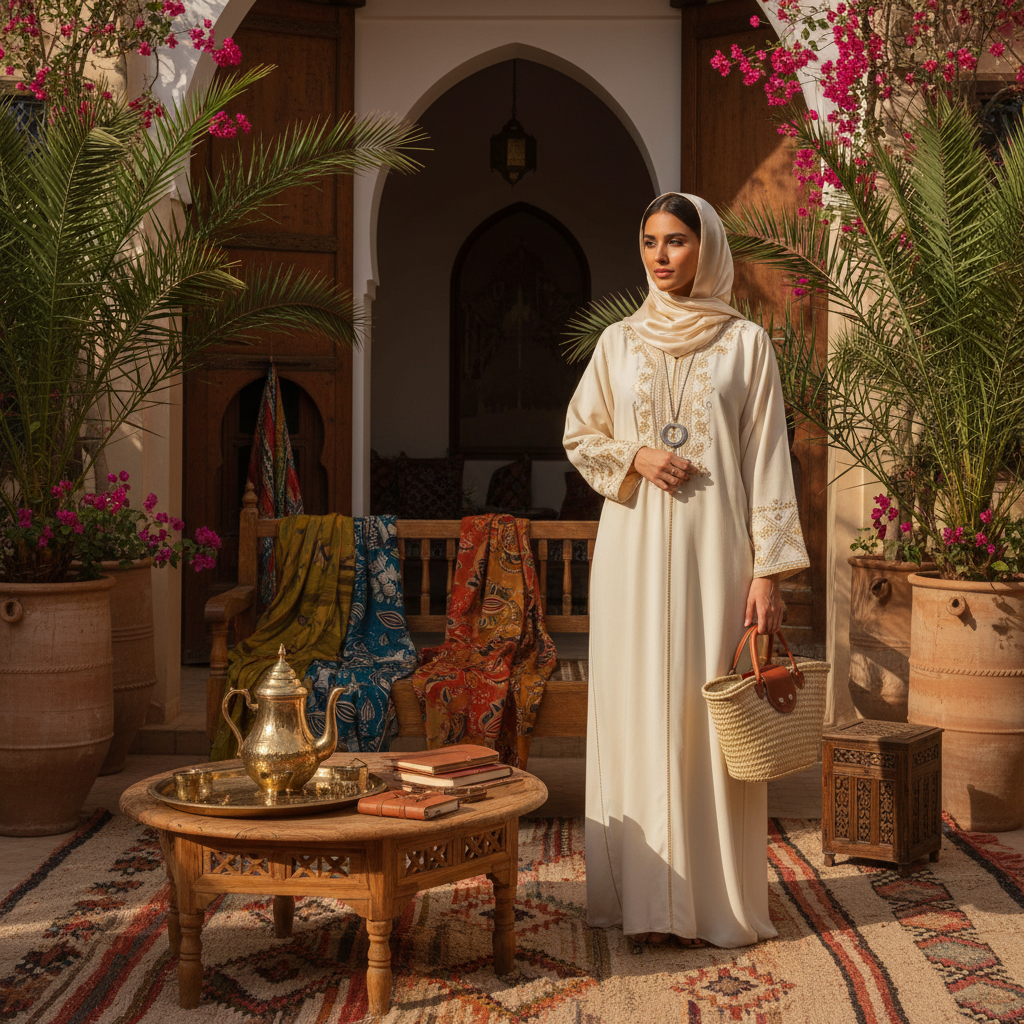
Unlike standard Western sizing, modest fashion often relies on length and bust measurements. Always check the seller’s specific size chart. Moroccan abayas are generally designed for a relaxed, modest fit. Consider the occasion: a heavily embroidered satin abaya is perfect for a wedding or Eid celebration, while a simpler crepe or linen design suits daily wear, Ramadan gatherings, or prayer. When styling, pair with a complementary hijab – perhaps a matching silk for formal events or a breathable cotton for everyday elegance. Accessories like statement jewelry or a stylish clutch can complete your look.
5. Buying Smart: Authenticity, Care, and Value
Authenticity extends beyond just the garment; it includes the buying experience. Look for sellers who openly share their crafting process or artisan stories. Don’t shy away from asking about made-to-order options or custom sizing. For care, hand-washing delicate embroidered abayas with mild detergent and air-drying is usually best to preserve the integrity of the stitching and fabric. While handmade abayas might cost more than mass-produced ones, this reflects the artisan’s time, skill, and the quality of materials. A detailed pricing breakdown reveals that intricate embroidery and luxurious fabrics naturally increase the value. Always verify shipping, return policies, and potential customs duties before purchasing, especially from international vendors. For exquisite handcrafted pieces, explore collections like those at Amo Fashion, a trusted source for authentic abayas.
FAQs About Handmade Moroccan Abayas
Q: How do I know if the embroidery on my abaya is truly handmade?
A: Handmade embroidery often shows slight inconsistencies in stitch length or tension, which adds to its unique charm. Machine embroidery will be perfectly uniform and identical across patterns.
Q: What’s the best way to care for my handmade Moroccan abaya to ensure longevity?
A: Most handmade Moroccan abayas, especially those with intricate embroidery or delicate fabrics like silk, should be hand-washed in cold water with a mild detergent and air-dried away from direct sunlight. Avoid harsh chemicals or machine washing.
Q: Are handmade Moroccan abayas suitable for all seasons?
A: Yes, it depends on the fabric. Lightweight linens and crepes are excellent for spring and summer, while heavier silks or blended fabrics can be comfortable in cooler weather or for formal indoor events. Always check the fabric composition when purchasing.