
Blog
5 Essential Tips for Comparing Prices and Quality in Turkish Leather Handbags in 2026
18
Aug
Aug
5 Essential Tips for Comparing Prices and Quality in Turkish Leather Handbags in 2026
Dreaming of a stunning Turkish leather handbag that perfectly blends craftsmanship with style? You’re not alone! These bags are renowned worldwide for their durability, unique designs, and rich heritage. But with so many options, how do you ensure you’re getting true quality and a fair price?
This guide cuts through the noise, offering insider tips to help you navigate the market and make an informed purchase. Let’s explore what makes a Turkish leather handbag truly exceptional, and how to make your investment count.
1. Understand Leather Quality and Its Impact on Price
The type of leather used is the primary determinant of a bag’s quality and cost. Turkish tanneries are world-class, but not all leather is created equal.
- Full-Grain Leather: This is the highest quality, retaining the natural imperfections and strength of the hide. It’s incredibly durable and develops a beautiful patina over time, making it the most expensive.
- Top-Grain Leather: The second-highest quality, where the very top layer is sanded off to remove imperfections. It’s softer and more pliable than full-grain but less durable.
- Genuine Leather: A broad term for split leather, often made from layers of hide bonded together. While still real leather, it lacks the durability and aesthetic appeal of full-grain or top-grain.
- Bonded Leather: The lowest quality, made from scraps glued together. Avoid this if durability and longevity are priorities.
Always inquire about the specific leather grade. Full-grain will command a higher price, but its longevity offers superior value.
2. Decode Craftsmanship: Beyond the Surface
True value in a Turkish leather bag lies in its construction. This is where handmade expertise truly shines, justifying price variations.
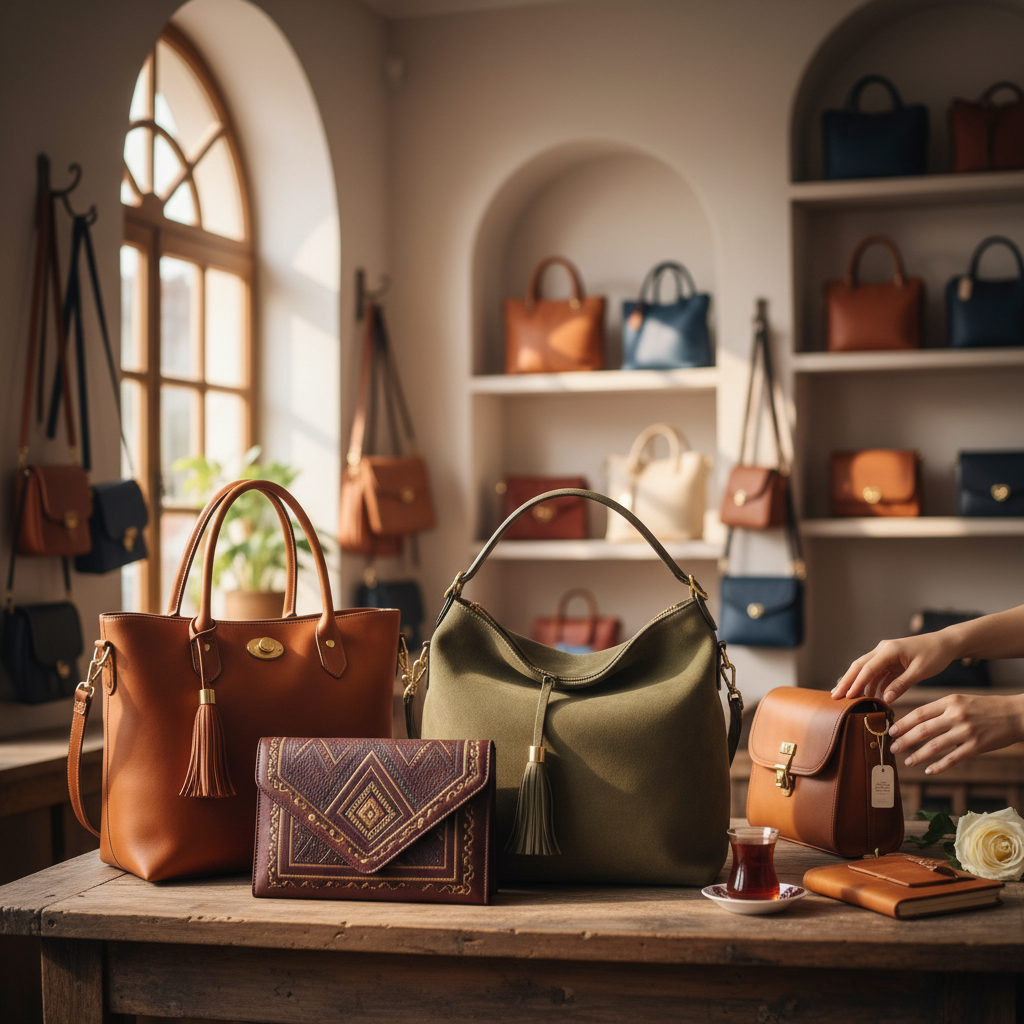
- Stitching: Look for tight, even, and consistent stitching with no loose threads. Saddle stitching, often seen in handmade bags, indicates superior durability.
- Lining: A quality bag will have a durable, well-stitched lining, often made from cotton, suede, or even another leather. Avoid flimsy, synthetic linings.
- Hardware: Solid brass, stainless steel, or high-quality plated metals are indicators of a well-made bag. Zippers should glide smoothly; buckles and clasps should feel robust. Cheap, lightweight hardware can break easily.
- Tanning Process: Vegetable-tanned leather, a traditional method, is more eco-friendly and creates a rich, long-lasting finish, often at a higher cost. Chrome-tanned is faster and cheaper but can be less durable.
An authentic Turkish craftsmanship checklist includes meticulous attention to these details, signaling a bag built to last generations.
3. Price Bands by Bag Type and Size
The size and complexity of a bag significantly influence its price. Here’s a general guide for quality Turkish leather:
- Clutch/Small Pouch: Often under $100 for genuine leather; $100-$180 for top-grain.
- Crossbody/Small Shoulder Bag: $100-$250 for quality genuine/top-grain; $250-$400+ for full-grain.
- Tote Bag/Satchel: $200-$400 for top-grain; $400-$700+ for full-grain, especially for larger, more intricate designs.
- Backpack: Similar to totes, $250-$500 for top-grain; $500-$900+ for premium full-grain.
For budget-conscious buyers, you can find excellent top-grain options in the $100-$250 range. If you want a lifetime piece, prepare to invest $250+ for full-grain quality.
“A truly well-crafted leather bag isn’t just an accessory; it’s a companion that ages gracefully, telling your story through its patina.”
4. Navigating Channels: Online vs. Boutique vs. Marketplace
Where you buy impacts price, authenticity, and after-sales support. Consider the pros and cons:
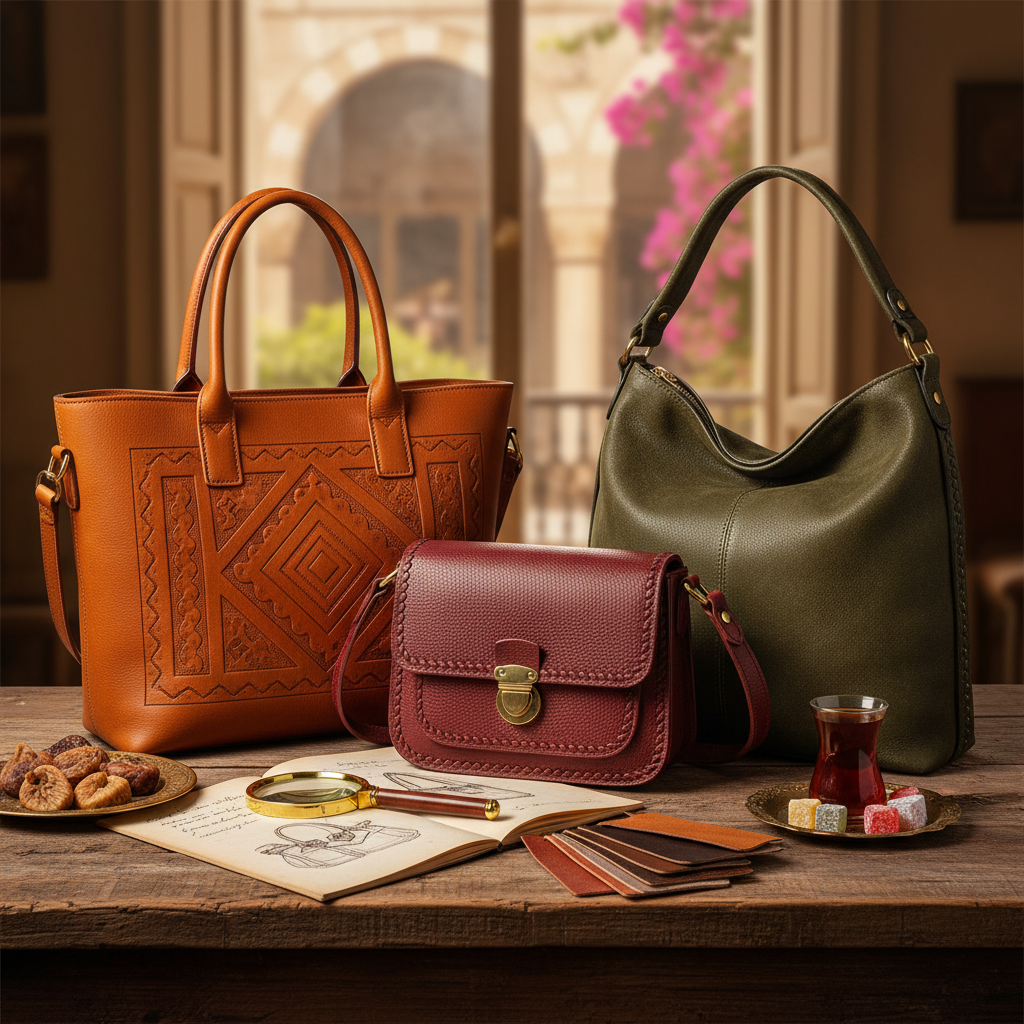
- Online Retailers/Brands: Often offer competitive pricing and direct access to manufacturers. Look for detailed product descriptions, clear return policies, and customer reviews. For a curated selection of beautiful bags, explore brands like AMO Fashion Ltd..
- Marketplaces (Etsy, local Turkish markets): Great for handmade, unique pieces. Prices can vary widely; diligence is key to verifying authenticity and quality.
- Boutiques/Physical Stores: Allows you to feel the leather and inspect craftsmanship firsthand. Prices can be higher due to overheads.
When you Compare prices for quality Turkish leather handbags., remember to factor in shipping costs and potential import fees. While shipping to the US or Europe can add $20-$50, import duties (which vary by country and item value) can add another 5-20%.
💡 Pro Tip: For international purchases, always check the seller’s return policy and warranty. A reputable seller will offer a clear policy and stand behind their products, often for 1-2 years.
5. Authenticity and Care for Longevity
Verifying authenticity is crucial. Many sellers will offer certificates of authenticity or clearly state the leather type. Look for brand transparency and detailed product photos.
To ensure your investment lasts:
- Cleaning: Wipe with a soft, damp cloth. Use specialized leather cleaner sparingly.
- Conditioning: Apply a good quality leather conditioner every 6-12 months to prevent drying and cracking.
- Storage: Store in a dust bag in a cool, dry place away from direct sunlight and extreme humidity. For humid climates, ensure good air circulation to prevent mold.
A high-quality Turkish leather handbag isn’t just an accessory; it’s a statement piece. Explore the diverse collection at AMO Fashion Ltd.’s bag collection to find your perfect match. Invest wisely, and enjoy your beautiful bag for years to come!
FAQs
What makes Turkish leather handbags different?
Turkish leather is renowned for its high quality due to traditional tanning methods and expert craftsmanship. Bags often feature unique designs, superior durability, and a blend of heritage and modern style.
How do import fees affect the total price?
Import fees, duties, or taxes are charged by your country’s customs agency and vary based on the item’s value and country of origin. They can add anywhere from 5% to 20% to the total cost, so always check your local regulations before purchasing internationally.
What leather type lasts longest and is best for everyday use?
Full-grain leather offers the longest lifespan and best durability for everyday use. Its natural strength and ability to develop a beautiful patina make it ideal for bags that will see frequent action. While more expensive upfront, its longevity provides excellent value.