
Blog
5 Essential Tips to Buy Moroccan Abaya Online in 2026
12
Aug
Aug
5 Essential Tips to Buy Moroccan Abaya Online in 2026
Dreaming of adding an elegant, authentic Moroccan abaya to your wardrobe? You’ve landed in the perfect place. Moroccan abayas are more than just garments; they’re a celebration of culture, artistry, and timeless grace. Finding the perfect one online can feel like a quest, but with our expert guide, you’ll navigate the digital souk like a seasoned shopper.
From intricate embroidery to flowing silhouettes, these pieces offer unparalleled modesty and style. Let’s dive into the essential tips to help you buy Moroccan abaya online with confidence and flair.
1. Understand Moroccan Abaya Authenticity & Design Details
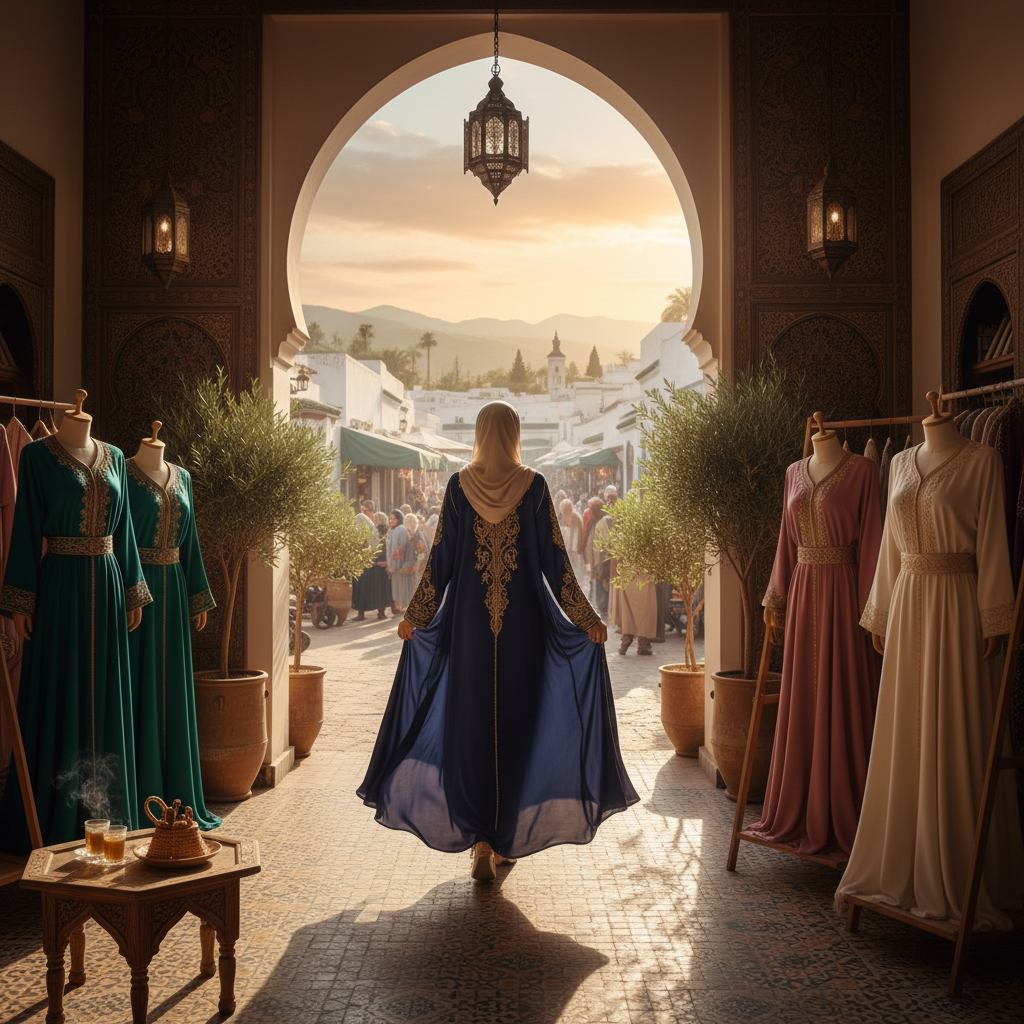
What sets a Moroccan abaya apart? It’s often in the unique details. Unlike many Gulf-style abayas, Moroccan designs frequently feature distinctive hoods, intricate hand-embroidery (like randa or sfifa work), and sometimes a more relaxed, kaftan-like silhouette. Look for craftsmanship that reflects cultural heritage.
Pay attention to elements like ornate trimmings, bell sleeves, or a simple, elegant cut that allows the fabric to drape beautifully. Authentic pieces often tell a story through their design. If you’re looking for genuine Moroccan craftsmanship, explore collections that highlight these specific attributes.
“Fashion is part of the daily air and it changes all the time, with all the events. You can even see the approaching of a revolution in clothes. You can see and feel everything in clothes.” – Diana Vreeland
2. Master the Fabric & Fit for Your Lifestyle
Choosing the right fabric is crucial for comfort and occasion. Moroccan abayas come in various materials, each offering a different feel and drape.
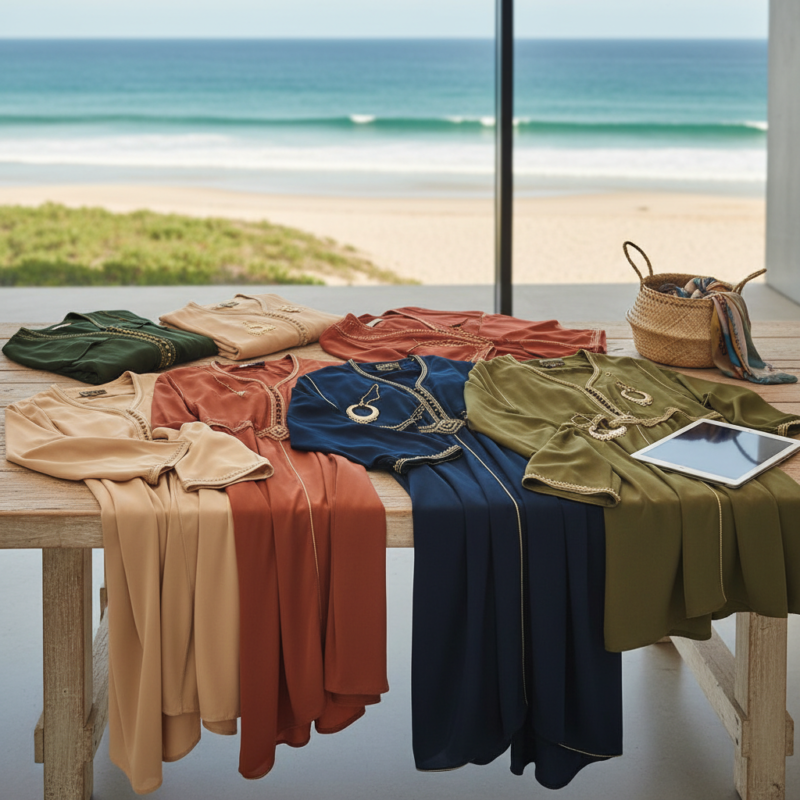
- Crepe & Nida: Excellent for everyday wear, offering elegance and breathability. They drape beautifully and resist wrinkles, making them ideal for busy schedules.
- Silk & Satin: Perfect for special occasions like Eid, weddings, or evening events. They offer a luxurious sheen and flow, exuding sophistication.
- Linen & Cotton: Best for warmer climates, providing maximum breathability and comfort. They have a more casual, earthy feel.
- Wool Blend: Consider these for cooler seasons, offering warmth without sacrificing style.
When it comes to fit, Moroccan abayas often embrace a looser, more forgiving silhouette. Always consult the brand’s specific size chart. Look for measurements like bust, sleeve length, and overall length. For a truly comfortable and modest fit, compare these to your body measurements, allowing for a few extra inches for drape. Remember that different brands may have slightly different sizing conventions.
💡 Pro Tip: For hooded abayas, check if the hood is decorative or functional. Some are designed for full coverage, while others are purely aesthetic additions to the garment’s elegance.
3. Style Your Moroccan Abaya for Every Occasion
Moroccan abayas are incredibly versatile. They can be dressed up or down, making them suitable for a wide range of events.
- Daily Wear: Opt for simple, flowing crepe or Nida abayas. Pair with comfortable flats, a minimalist hijab, and a practical tote bag for an effortlessly chic look.
- Eid & Celebrations: Choose abayas with intricate embroidery, richer fabrics like silk or satin, and perhaps a subtle sparkle. Enhance with statement jewelry, an embellished hijab, and elegant heels.
- Weddings & Formal Events: Look for luxurious designs, possibly with exquisite hand-beading or ornate cuffs. A matching belt can cinch the waist for a more defined silhouette, while a structured bag and sophisticated heels complete the ensemble.
- Seasonal Styling: Layer lighter abayas with cardigans in spring or opt for thicker fabrics in winter. In summer, prioritize breathable cotton or linen designs.
Experiment with contrasting hijab colors or patterns to add a personal touch. Don’t be afraid to accessorize with belts to define your waist or bold jewelry to elevate your look.
4. Navigate Online Shopping with Confidence: Shipping & Returns
When you choose to explore our abaya collections online, understanding the logistics is key. Look for clear information on shipping times, costs, and international delivery options. Many reputable retailers offer worldwide shipping, but transit times can vary significantly depending on your location.
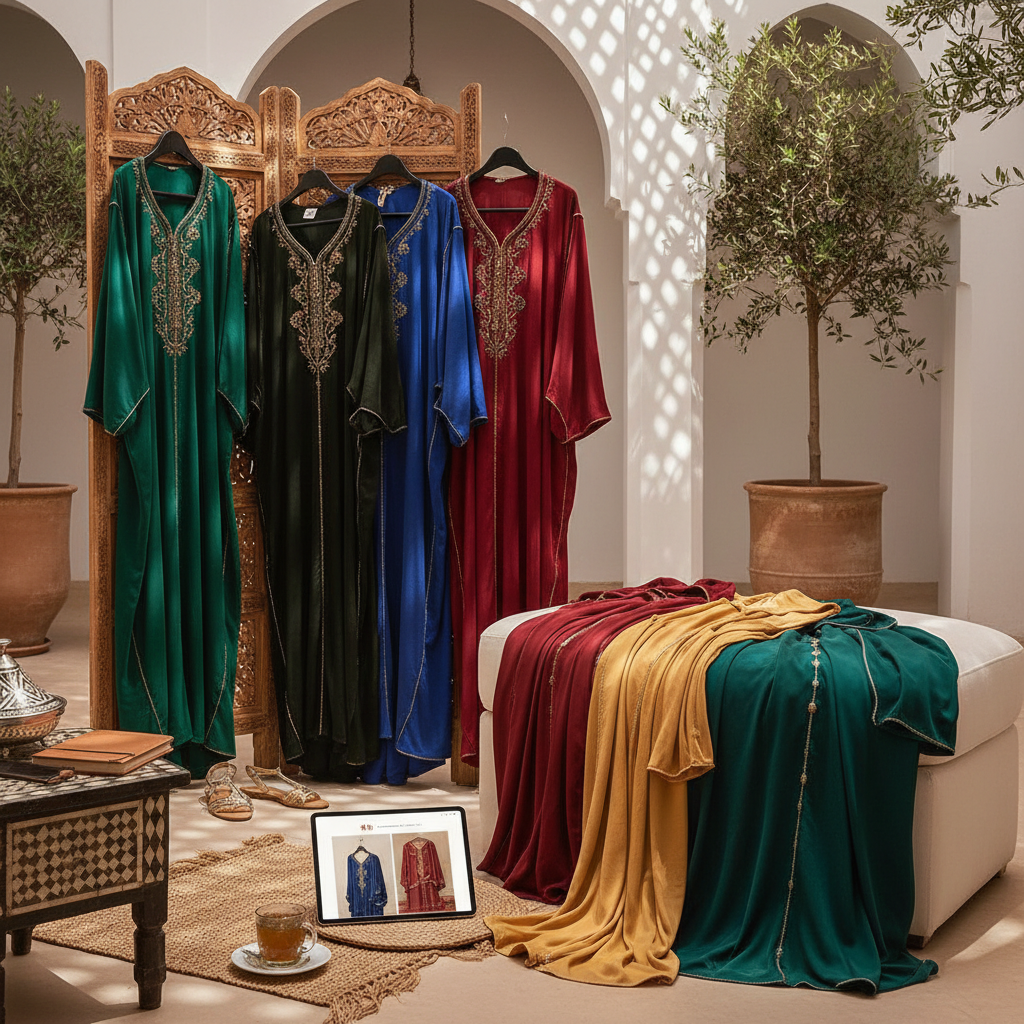
Equally important is a transparent return and exchange policy. Reputable stores will offer a reasonable window for returns, typically 7-14 days. Ensure you understand the conditions—for instance, whether items must be unworn with tags attached. This ensures peace of mind when making an investment in a beautiful garment.
5. Unlock the Difference: Moroccan Abaya vs. Kaftan vs. Dubai Abaya
It’s easy to get these beautiful garments confused, but each has its own distinct characteristics:
- Moroccan Abaya: Often features a distinct hood, intricate hand-embroidery (sfifa, randa), and a more relaxed, flowing silhouette, often resembling a modern kaftan or a structured djellaba. The embellishments are typically along the neckline, sleeves, and hem.
- Kaftan: A broader term for a loose, flowing tunic or dress, originating from ancient Mesopotamia. Moroccan abayas are a type of kaftan, but kaftans can also be highly decorative, worn for ceremonies or as casual beachwear, and don’t necessarily have the modesty element of an abaya.
- Dubai Abaya: Typically characterized by simpler, more tailored cuts, often in black, with minimalistic embellishments, if any. The focus is on clean lines and sophisticated modesty.
Understanding these differences helps you appreciate the unique cultural nuances and craftsmanship each style offers. If you’re captivated by the artistry and heritage of Moroccan fashion, you’ll find an exquisite range of choices when you shop our full abaya collection. Happy shopping!
FAQ
What is a Moroccan abaya?
A Moroccan abaya is a modest, flowing outer garment traditionally worn by women, distinguished by its unique design elements such as hoods, intricate hand-embroidery (like randa or sfifa), and often a relaxed, kaftan-like silhouette that celebrates Moroccan craftsmanship.
How is a Moroccan abaya different from a kaftan?
While a Moroccan abaya can be considered a type of kaftan due to its loose fit, it specifically functions as a modest outer garment. Kaftans, in general, are a broader category of loose tunics that can range from casual beachwear to highly decorative ceremonial dresses, not always adhering to the same modesty requirements as an abaya.
Which fabric is best for summer/winter?
For summer, breathable fabrics like linen, cotton, or lightweight Nida are ideal. For winter, opt for warmer options such as wool blends or thicker crepe materials to provide comfort and warmth.