
Blog
Unveiling the Differences: Abaya vs. Modest Dress (2026 Guide)
07
Apr
Apr
Unveiling the Differences: Abaya vs. Modest Dress (2026 Guide)
Ever found yourself browsing elegant, flowy garments and wondering: Is this an abaya, or just a modest dress? You’re not alone! While both embrace the spirit of coverage and grace, there are distinct nuances between an abaya and a general modest dress. Let’s break it down to help you choose the perfect outfit for any occasion.
Abaya vs. Modest Dress: The Core Distinctions
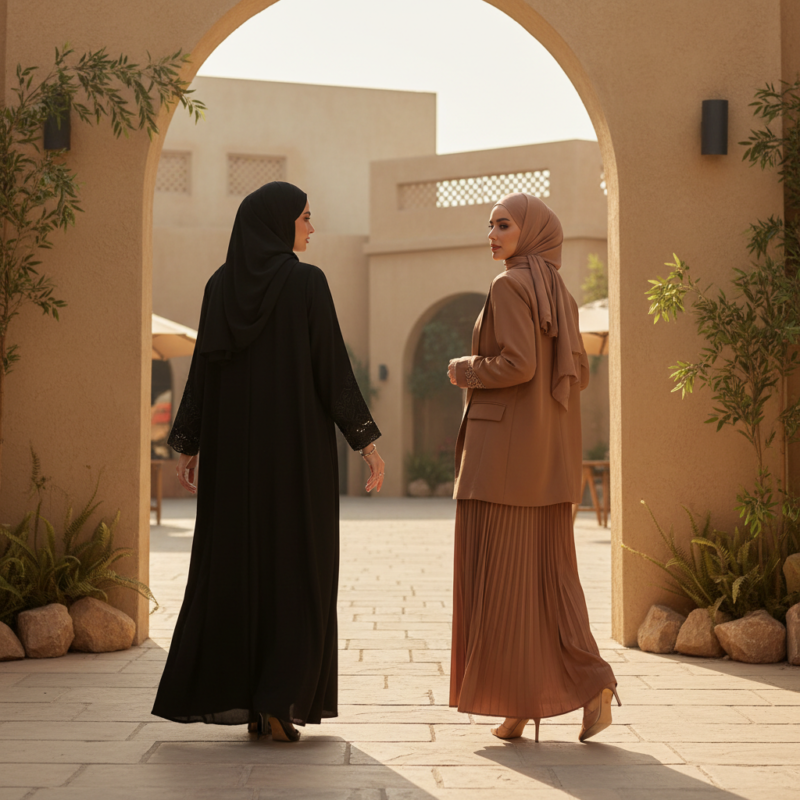
At its heart, the abaya is a traditional, often religious, garment worn by Muslim women, primarily in Middle Eastern and North African countries. It’s typically a loose, robe-like dress designed to cover the entire body except for the hands, face, and feet. Its primary purpose is external modesty, often worn over other clothing.
 abaya vs modest dress – fashion inspiration” style=”width:100%;height:auto;” />
A modest dress, however, is a broader category of clothing that adheres to principles of coverage, such as longer hemlines, higher necklines, and looser fits, but isn’t necessarily tied to a specific religious or cultural tradition. Think elegant maxi dresses, prairie dresses, or even certain A-line gowns that prioritize coverage without compromising style.
“Modesty isn’t about hiding your beauty; it’s about revealing it responsibly.”
💡 Pro Tip: Many contemporary abayas blur the lines, incorporating modern cuts and embellishments. For stylish options that blend tradition with trend, explore abaya styles that cater to diverse tastes.
Key Differences at a Glance
- Origin & Purpose: Abaya is culturally/religiously specific (Islamic modesty, outer garment). Modest dress is a general fashion style (coverage, internal garment).
- Fit & Cut: Abayas are traditionally loose, flowing, and non-form-fitting. Modest dresses can vary from loose to more tailored, as long as they provide coverage.
- Usage: Abayas are often worn as outerwear, over regular clothes. Modest dresses are complete outfits on their own.
- Fabric & Embellishments: Traditional abayas favor opaque fabrics like Nida, crepe, or quality linen. Modest dresses use a wider range of materials (cotton, rayon, chiffon) and can have more varied patterns or adornments.
For more versatile and lightweight options, consider a Graceful Ladies Open Abaya that offers both style and comfort.
Choosing Your Modest Style: Abaya or Modest Dress?
Your choice often comes down to personal preference, cultural context, and the occasion. If you’re looking for a garment rooted in Islamic tradition for ultimate outer modesty, an abaya is your go-to. If you prefer a full outfit that offers coverage while still expressing contemporary fashion, a modest dress opens up a world of options. Both can be incredibly elegant and empowering.
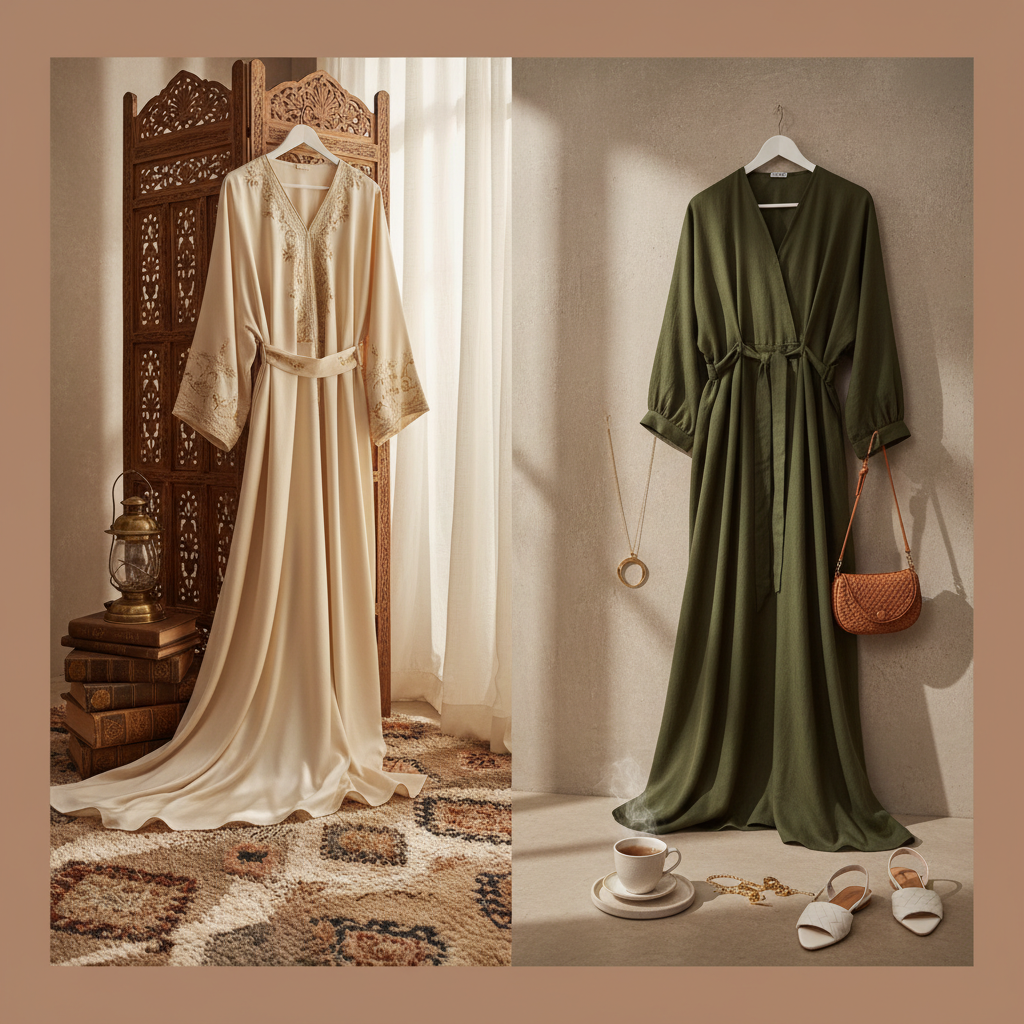
For budget-friendly yet chic options that embody modest fashion, take a look at these low-cost abaya styles that don’t compromise on quality or design.
FAQs
Is an abaya a type of modest dress?
Yes, an abaya is a specific type of modest dress, characterized by its traditional design as a loose, full-length outer garment, primarily worn by Muslim women for modesty.
How do I choose between an abaya and a modest dress for daily wear?
For daily wear, consider your comfort, climate, and personal style. An abaya is ideal if you prefer a single-piece outer garment for consistent modesty. A modest dress offers more variety in cuts and fabrics, suitable for different settings where a complete, modest outfit is desired without the outerwear layer.
Can non-Muslims wear abayas?
Yes, non-Muslims can wear abayas. Many appreciate them for their comfort, style, and effective coverage, especially when visiting culturally sensitive countries or simply embracing a modest fashion aesthetic. It’s often seen as a sign of respect for local customs.