
Blog
7 Essential Steps: Your Ultimate Moroccan Abaya Sizing Chart Guide for 2026
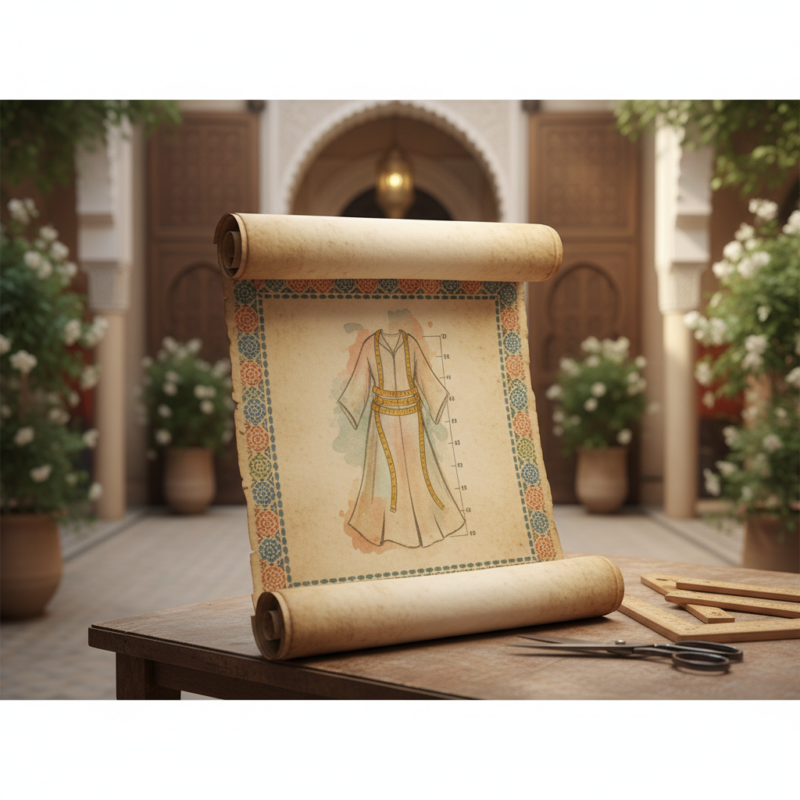
13
Aug
Aug
7 Essential Steps: Your Ultimate Moroccan Abaya Sizing Chart Guide for 2026
Ever fallen in love with a stunning Moroccan abaya online, only to hesitate, wondering, “What size do I actually need?” You’re not alone! The beauty of Moroccan abayas lies in their unique blend of elegance and comfort, but finding the perfect fit can be a puzzle. Unlike standard abayas, their distinct cuts and drapes require a special approach to sizing.
Forget the guesswork. This guide is your definitive resource to confidently navigate any moroccan abaya sizing chart, ensuring your next purchase fits like a dream. We’ll walk you through everything, from accurate measurements to understanding Moroccan-specific styles.
1. Understand the Moroccan Abaya Difference
Moroccan abayas are renowned for their intricate details, rich fabrics, and often more structured or flowing silhouettes compared to the typical modest abaya. They might feature bell sleeves, defined waistlines, or a more tailored shoulder. This means standard abaya sizing (often just length) isn’t enough.
Key Differences:
- Fit: Can range from gracefully flowing to subtly tailored, not always universally oversized.
- Sleeve Style: Bell, fitted, or batwing sleeves require considering shoulder and arm measurements.
- Drape: Fabrics like silk crepe or embellished Nida might drape differently and influence perceived length.
2. Your Essential Measurement Toolkit
Before looking at any abaya collections, gather these measurements while wearing light clothing or undergarments. Use a flexible tape measure.
- Height: Stand straight against a wall, measure from the top of your head to the floor (without shoes). This is crucial for abaya length.
- Bust: Measure around the fullest part of your bust, keeping the tape horizontal.
- Shoulder Width: Measure straight across your upper back, from the edge of one shoulder to the other.
- Arm Length: Measure from the top of your shoulder down to your wrist, with your arm slightly bent.
💡 Pro Tip: Have a friend help with height and shoulder measurements for accuracy. Always double-check your numbers!
3. Decoding the Abaya Length: Height is Key
Abaya length is typically measured from the shoulder to the hem. Most Moroccan abaya sizing charts will map your height to a recommended abaya length (e.g., 52, 54, 56, etc.).

To choose your ideal length, consider:
- Desired Coverage: Do you prefer ankle-length, floor-sweeping, or slightly shorter for practicality?
- Heel Height: If you plan to wear heels, add that height to your natural height measurement.
- Your Height to Length Mapping (example):
- 5’0″ (152 cm) – Size 50-52
- 5’2″ (157 cm) – Size 52-54
- 5’4″ (163 cm) – Size 54-56
- 5’6″ (168 cm) – Size 56-58
- 5’8″ (173 cm) – Size 58-60
4. Navigating Fit Preferences: Modest, Standard, or Tailored
Unlike universal ready-to-wear, abayas offer flexibility. Your bust and shoulder measurements will determine the ‘width’ size, which influences the overall drape.
- Modest/Oversized Fit: If you prefer maximum coverage and fluidity, opt for a size where your bust and shoulder measurements fall comfortably within the upper range.
- Standard Fit: Aim for a size where your measurements are in the middle of the provided range for a balanced, comfortable drape that isn’t too loose or too fitted.
- Subtly Tailored Fit: For Moroccan styles that are meant to show more shape (e.g., those with internal ties), choose a size closer to your actual bust and shoulder measurements. Always ensure there’s enough room for movement.
“Modesty is not about hiding your body, but about revealing your dignity.” – Unknown
5. Body Type Matters: Tailoring Your Choice
Specific body types can influence your ideal abaya size:
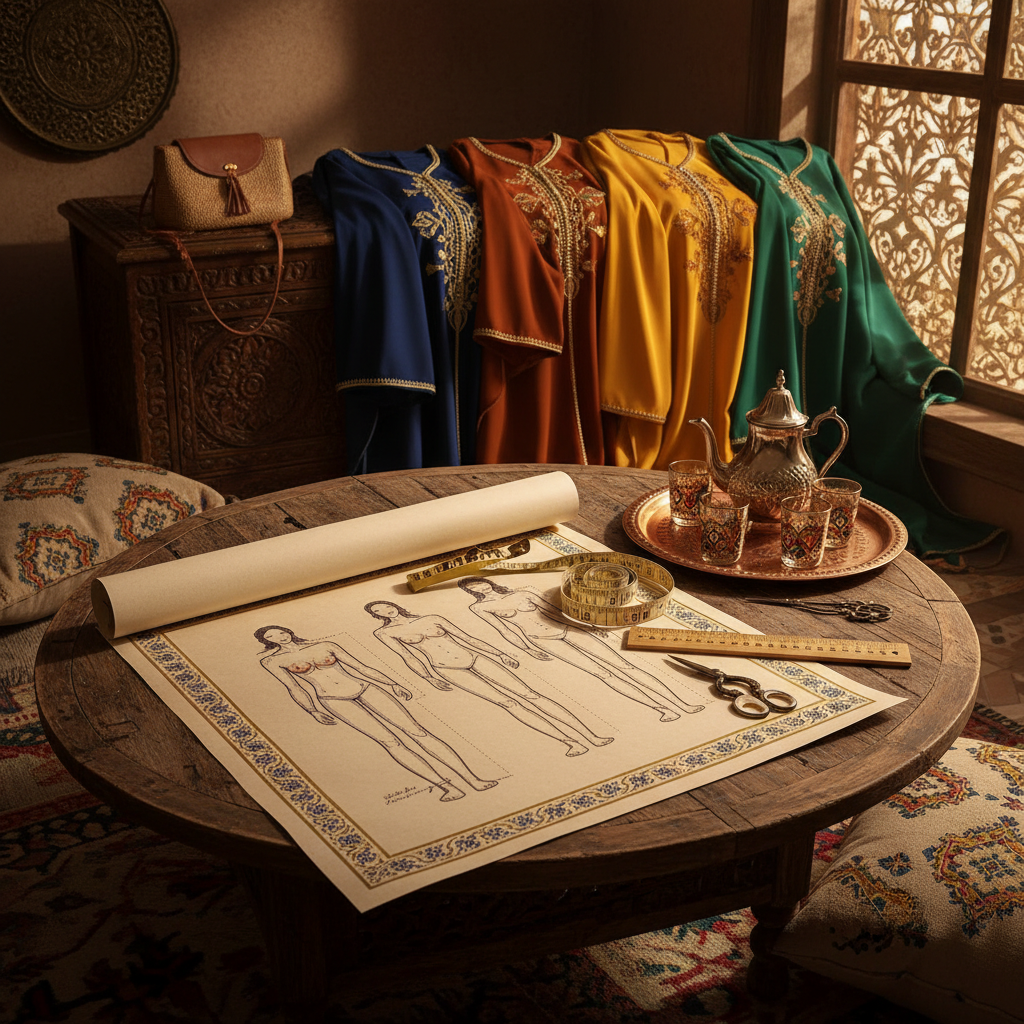
- Petite: Focus on finding the correct length. If between sizes, often going down in width can prevent an overwhelming look.
- Tall: You might need a longer abaya (e.g., size 60 or above). Prioritize length first, then width.
- Curvy: Ensure the bust and hip measurements accommodate your shape without pulling. Look for styles with an A-line cut or internal ties for adjustability.
- Broad Shoulders: Pay close attention to the shoulder width measurement to ensure comfort and proper drape.
- Maternity: Opt for generously sized, flowing designs or styles with an empire waist for comfort.
6. Consider Fabric & Embellishments
The material and intricate details common in Moroccan abayas can affect sizing and drape.
- Flowing Fabrics (e.g., Nida, Crepe, Silk): These drapes beautifully and often allow for more flexibility if you are between sizes.
- Heavier Fabrics or Rich Embellishments: These can add weight and slightly alter how the abaya hangs. Sometimes a slightly larger size might be preferred for comfort, especially if it’s a structured piece. Always check if the embellishments affect flexibility or wash care.
💡 Pro Tip: If an abaya has significant embroidery, especially on the sleeves or hem, check if alterations are possible without damaging the design.
7. When to Consider Alterations (and What to Expect)
Even with the perfect modest dress or abaya, minor alterations can perfect the fit.
- Hemming: The most common alteration. A skilled tailor can adjust the length without affecting the design, unless there’s intricate border work.
- Sleeve Shortening: Also common, especially with straight sleeves. Bell or statement sleeves might be trickier to alter without losing their shape.
- Taking in Sides: Possible for some styles, but be mindful of how it might affect the overall flow and drape.
FAQs About Moroccan Abaya Sizing
Q: How do Moroccan abayas fit differently from standard abayas?
A: Moroccan abayas often feature more distinct cuts, sleeve styles, and sometimes a slightly more tailored silhouette than a universally oversized abaya. They pay closer attention to shoulder and bust fit while maintaining modest coverage.
Q: What if I’m between two sizes on the chart?
A: If you prefer a more modest, flowing look, size up. If you prefer a slightly more structured or tailored fit (and your measurements are close to the lower end of the larger size), sizing down might work, but always prioritize comfort and movement.
Q: Can I really tailor a Moroccan abaya, especially with all the embellishments?
A: Yes, length adjustments are almost always possible. Sleeve shortening is also common. For more complex alterations, like taking in the sides, consult with a tailor experienced in delicate fabrics and embellishments to ensure the design integrity is maintained.