
Blog
7 Essential Moroccan Abaya Care Tips for Lasting Beauty in 2026
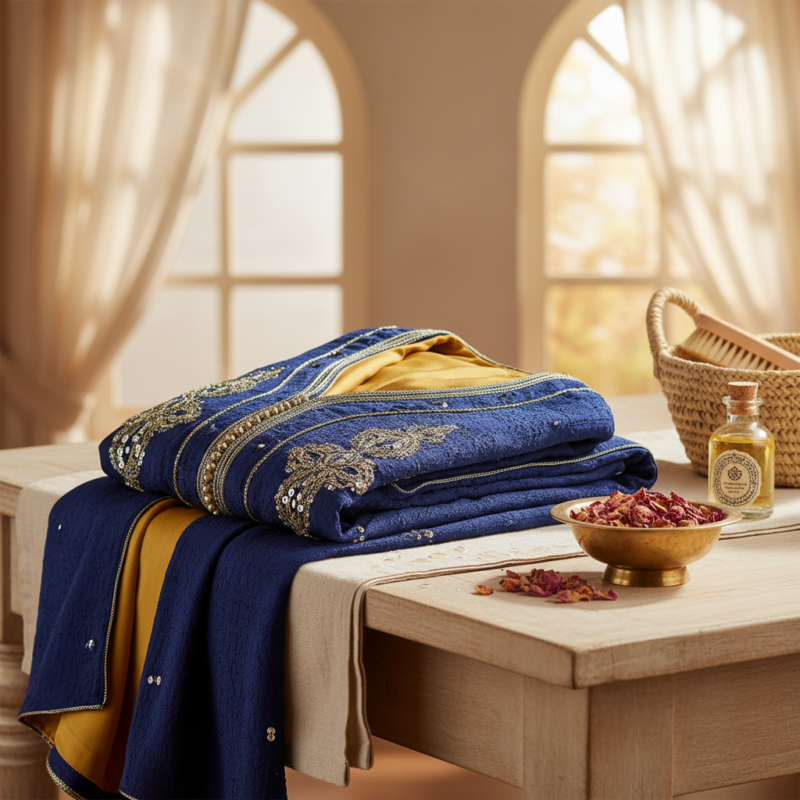
06
Aug
Aug
7 Essential Moroccan Abaya Care Tips for Lasting Beauty in 2026
Your Moroccan abaya is more than just clothing; it’s a statement of elegance, often adorned with intricate embroidery and luxurious fabrics. To keep its beauty intact for years to come, proper care is essential. Forget generic advice – this moroccan abaya care guide is tailored to the unique needs of these exquisite garments, ensuring they remain vibrant and pristine.
“Elegance is not about being noticed, it’s about being remembered.” – Giorgio Armani. Proper care ensures your abaya’s elegance is unforgettable.
1. Understand Your Fabric: The Foundation of Care
Moroccan abayas come in a stunning array of fabrics, each requiring specific attention. Always check the care label first, but here’s a general guide for popular materials:
- Crepe & Nida: Often durable, these can usually be machine washed on a delicate cycle with cold water. Avoid harsh detergents.
- Satin & Chiffon: Delicate and prone to snagging. Hand washing or dry cleaning is highly recommended to maintain their drape and luster.
- Velvet: Requires special care. Dry cleaning is often best. If hand washing, do so gently in cold water with a mild detergent, avoiding scrubbing.
- Linen & Cotton Blends: More robust, but still benefit from cold, gentle washing to prevent shrinking or fading.
2. Protect Embellishments: Beads, Embroidery & Gold Thread
The intricate details are what make Moroccan abayas so special. To safeguard them:
- Before Washing: Turn your abaya inside out. If it has very delicate beading or loose threads, consider placing it in a mesh laundry bag.
- Washing Method: Hand washing in cold water with a very mild, pH-neutral detergent is safest for heavily embellished abayas. Gently swish; do not wring or rub.
- Avoid Tumbling: The agitation can damage delicate work. Air dry only.
3. Master Stain Removal: Targeted Solutions
Act fast to treat stains effectively without damaging your abaya:
- Perfume & Deodorant: Gently dab with a clean cloth soaked in a diluted solution of white vinegar and water. Rinse thoroughly.
- Makeup (Foundation/Lipstick): Apply a small amount of liquid laundry detergent directly to the stain, gently rub with a soft brush (like an old toothbrush), then rinse.
- Oil & Food: Sprinkle cornstarch or talcum powder on the fresh stain to absorb oil, let sit for 15-30 minutes, then brush off and wash as usual.
- Henna: This can be tricky. Try soaking the stained area in milk or a diluted solution of lemon juice before washing. Test on an inconspicuous area first.
💡 Pro Tip: For any stain, always test your cleaning solution on a small, hidden area of the fabric first to ensure no discoloration or damage occurs.
4. Washing Wisdom: Machine vs. Hand vs. Dry Clean
The decision tree for washing:
- Machine Wash (Delicate): For most Nida, Crepe, or simpler designs without heavy embellishments. Always use cold water, a delicate cycle, and a mild detergent. Wash dark colors separately to prevent dye transfer.
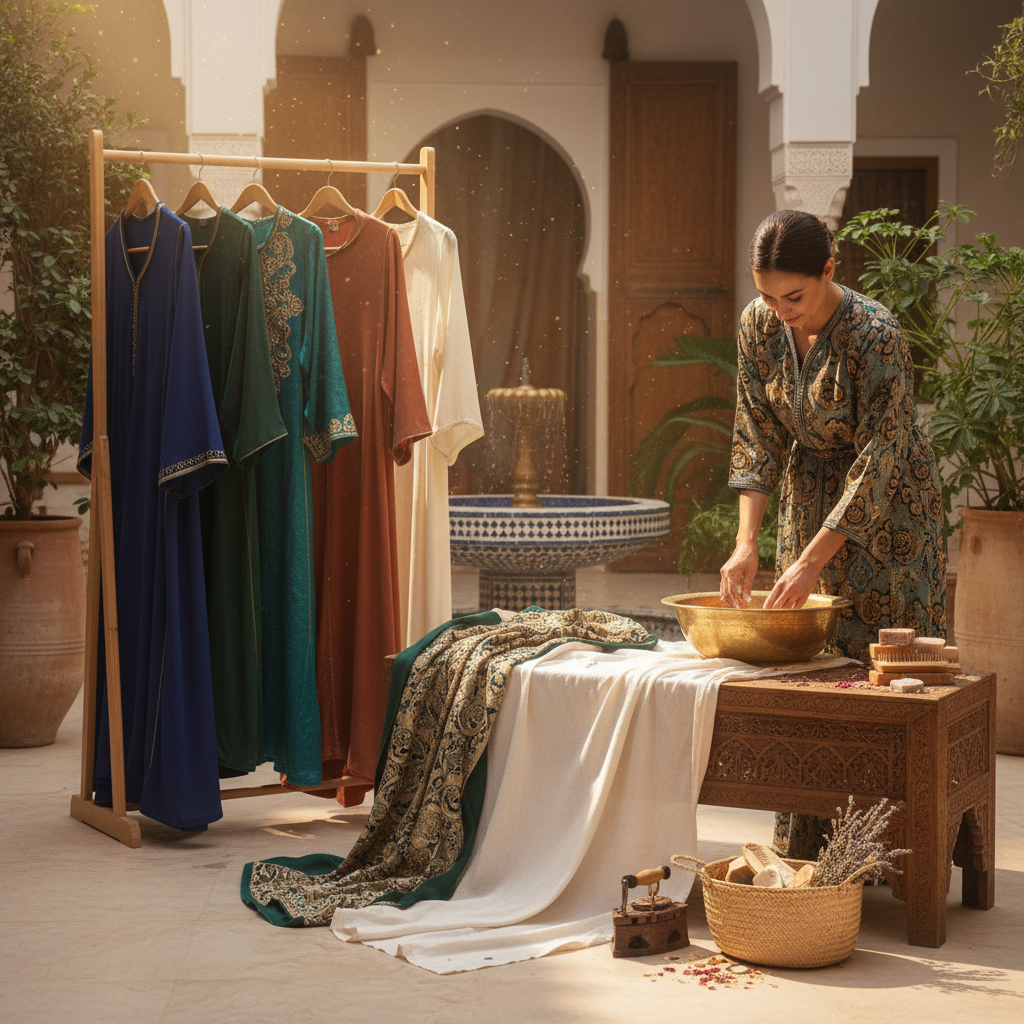
- Hand Wash: Ideal for satin, chiffon, velvet, or heavily embroidered abayas. Fill a basin with cold water and mild detergent. Swish gently for a few minutes, then rinse thoroughly.
- Dry Clean: Your safest bet for highly delicate fabrics, intricate beading, or expensive pieces. If you’re unsure, dry cleaning is always the recommended option to protect your investment.
5. Drying & Ironing for a Flawless Finish
Proper drying prevents wrinkles and maintains fabric integrity:
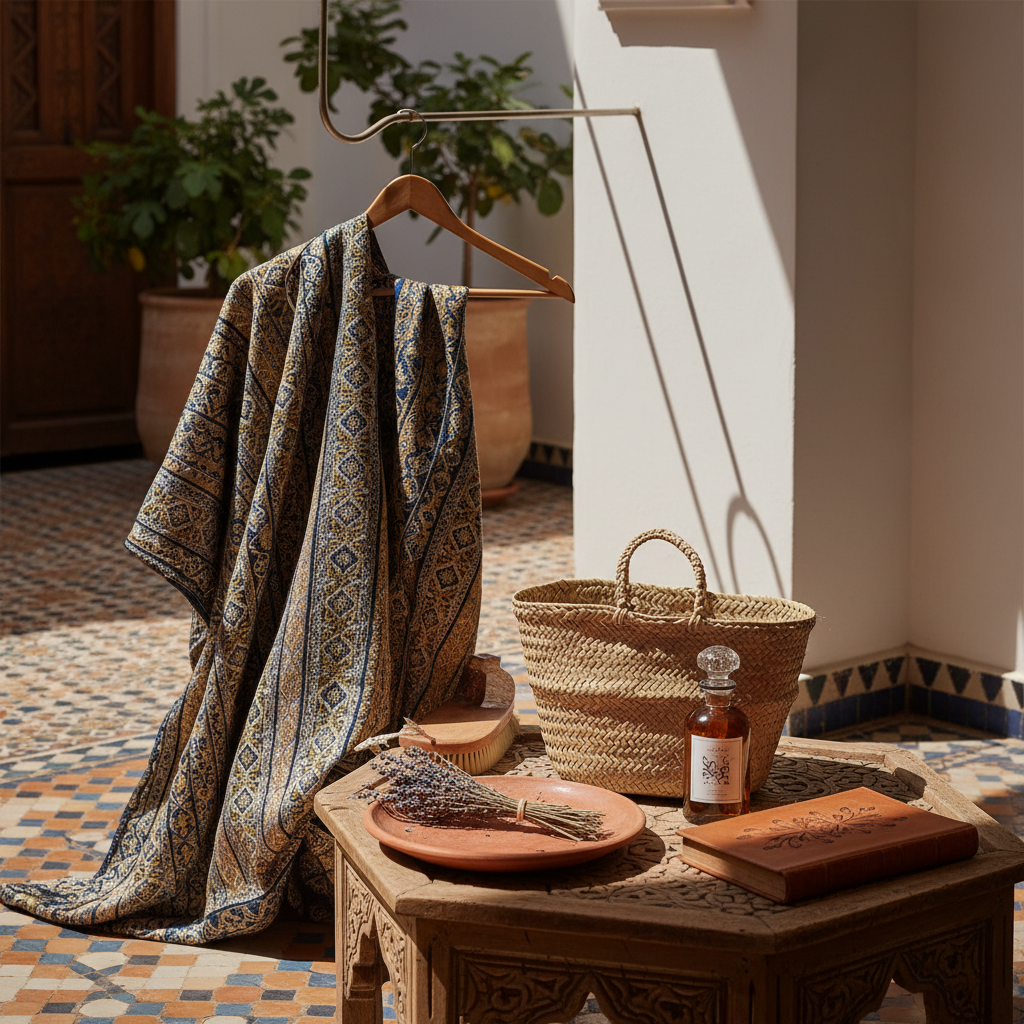
- Drying: Never tumble dry. Gently roll your abaya in a clean towel to absorb excess water, then lay it flat on a clean surface or hang it on a padded hanger away from direct sunlight. Direct sun can fade colors, especially black abayas.
- Ironing/Steaming: Use a low-to-medium heat setting. Iron on the reverse side. For embroidered areas, place a thin cloth over the embellishments before ironing. Steaming is often a safer and more effective option for delicate fabrics, quickly removing wrinkles without direct heat contact.
6. Storage Savvy for Humid Climates
Humidity can be an abaya’s worst enemy. Protect your garments with these tips:
- Breathable Garment Bags: Store abayas in cotton or non-woven breathable bags to protect from dust and allow air circulation, preventing mildew.
- Padded Hangers: Use padded hangers to maintain the abaya’s shape and prevent shoulder bumps.
- Desiccants: Place silica gel packets or cedar blocks in your wardrobe to absorb moisture and deter pests. Ensure your storage area is cool and dry.
For more beautiful abaya options, explore our stunning collection at AMO Fashion’s abaya collection.
7. Emergency Refreshes & Fading Prevention
Sometimes you need a quick fix, or want to keep that black abaya truly black:
- Quick Refresh: For light odors or wrinkles, hang your abaya in a steamy bathroom for 10-15 minutes. A fabric refresher spray can also help, but test first.
- Preventing Fading: Always wash black abayas in cold water with a detergent specifically designed for dark clothes. Wash inside out. Avoid harsh sunlight during drying. If fading occurs, specialized fabric dyes for black garments can sometimes restore color, but this should be done with caution.
By following this comprehensive Moroccan abaya care guide, your cherished garments will retain their luxurious feel and intricate beauty for many years, ready for every special occasion. For even more exquisite modest wear, discover our full range at AMO Fashion’s modest dresses.
FAQ: Your Moroccan Abaya Care Questions Answered
Q: How do I care for a Moroccan abaya with embroidery or beads?
A: Always turn it inside out, ideally place it in a mesh laundry bag, and hand wash in cold water with a mild detergent. Avoid machine washing or wringing to protect the embellishments.
Q: Can I wash a satin/velvet/chiffon Moroccan abaya at home?
A: Hand washing is possible for satin and chiffon with extreme care (cold water, mild detergent, no wringing). Velvet is best dry cleaned to maintain its delicate pile and texture.
Q: How do I store an abaya in a humid climate?
A: Use breathable garment bags (cotton or non-woven), padded hangers, and place desiccants like silica gel or cedar blocks in your closet. Ensure good air circulation and a dry, cool storage environment.