
Blog
5 Radiant Eco-Friendly Moroccan Abaya Styles You Need in 2026
31
Jul
Jul
5 Radiant Eco-Friendly Moroccan Abaya Styles You Need in 2026
Imagine stepping out, draped in elegance that whispers tales of timeless Moroccan artistry, yet also echoes your commitment to our planet. The eco-friendly Moroccan abaya is more than just a garment; it’s a statement of conscious beauty. In 2026, embracing sustainability means merging cultural heritage with environmental responsibility. Let’s explore five exquisite styles that blend tradition, modern trends, and ethical charm.
“Fashion can be a language of change, and sustainable abayas are speaking volumes about a conscious future.”
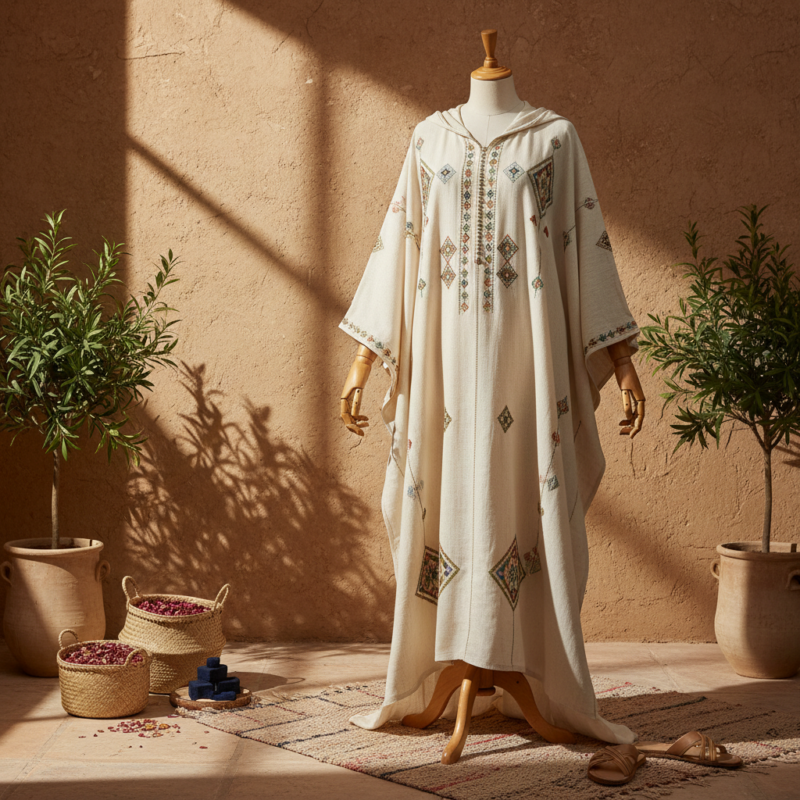
1. The Artisan Embroidered Organic Cotton Abaya
This style champions comfort and traditional aesthetics. Made from GOTS-certified organic cotton, it feels incredibly soft against the skin, perfect for warmer climates. The breathable fabric ensures you stay cool and comfortable, while delicate hand-stitched embroidery, often in geometric patterns or floral motifs, adorns the sleeves or neckline.
- Fabric: Certified Organic Cotton (GOTS)
- Color: Earthy tones like sand, terracotta, or deep indigo.
- Occasion: Everyday wear, casual gatherings, daytime events.
- Hijab Pairing: Lightweight cotton or bamboo jersey in a complementary shade.
- Accessories: Simple artisan jewelry, woven straw bag.
- Shoes: Leather sandals or espadrilles.
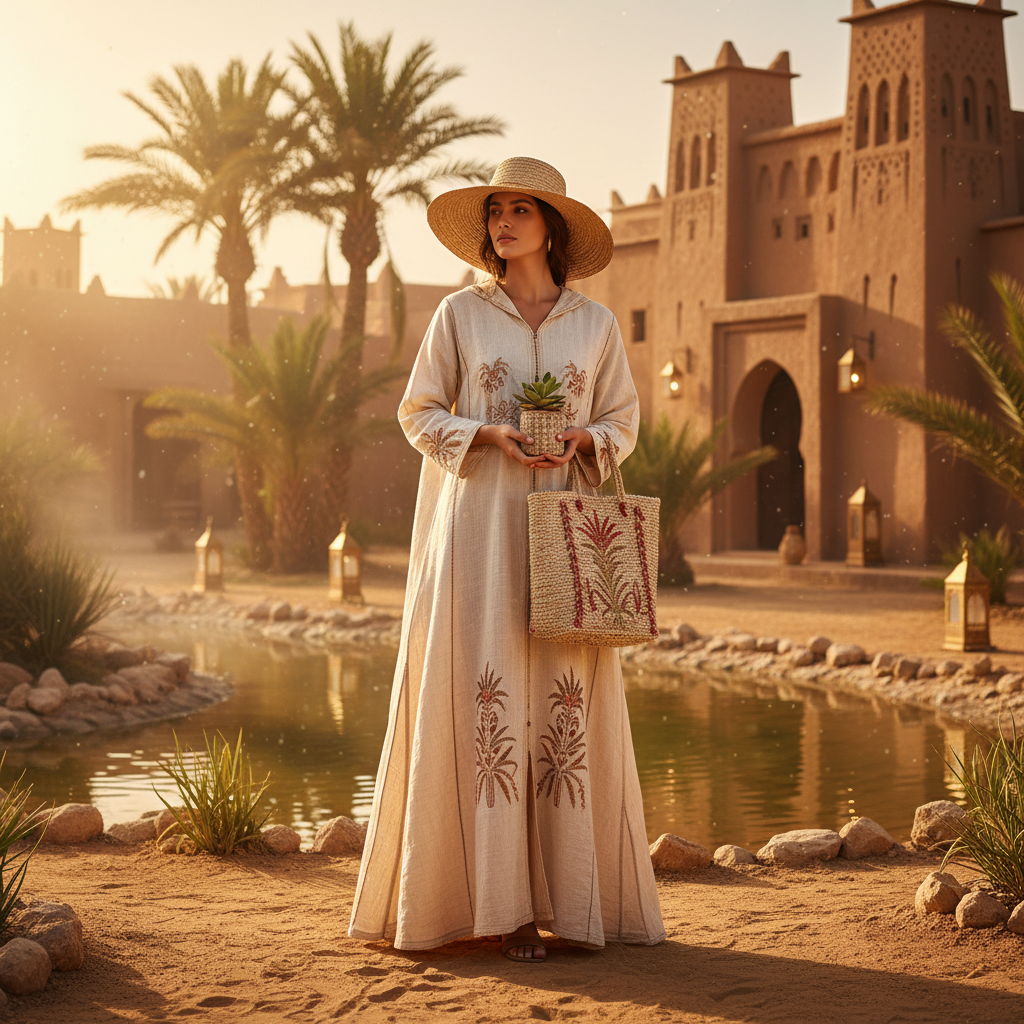
2. The Luxurious Cupro Draped Kaftan Abaya
For those seeking a silken feel with responsible origins, the cupro kaftan abaya is a dream. Cupro is a regenerated cellulose fiber made from cotton linter, a byproduct of cotton production, making it incredibly sustainable. It drapes beautifully, offering a sophisticated silhouette reminiscent of a traditional Moroccan kaftan, but with a modern, fluid finish. It’s often dyed with Oeko-Tex certified non-toxic dyes.
- Fabric: Cupro (biodegradable, hypoallergenic)
- Color: Rich jewel tones like emerald green, sapphire blue, or deep plum.
- Occasion: Evening events, formal gatherings, special occasions.
- Hijab Pairing: Silk or modal hijab for an elegant match.
- Accessories: Statement earrings, embellished clutch.
- Shoes: Heeled mules or elegant flats.
💡 Pro Tip: When shopping for an eco-friendly Moroccan abaya, always look for certifications like GOTS (Global Organic Textile Standard) for cotton, or Oeko-Tex Standard 100 for dyes. These verify genuine sustainable practices.
3. The Bold Linen Blend Travel Abaya
Linen is a timeless choice, and a linen-blend Moroccan abaya is perfect for travel and warmer climates. Its natural texture and breathability make it ideal for staying fresh, while a touch of Tencel™ Lyocell or recycled polyester in the blend can enhance durability and reduce creasing. Moroccan cultural influences are often seen in the wide, comfortable sleeves and a relaxed, flowing cut, perfect for exploring a new city or relaxing by the coast.
- Fabric: Linen/Tencel™ Lyocell Blend (biodegradable, low water use)
- Color: Vibrant Moroccan-inspired hues like turmeric yellow, cobalt blue, or crimson red.
- Occasion: Travel, daytime excursions, summer events.
- Hijab Pairing: Crinkled linen or lightweight rayon.
- Accessories: Oversized sunglasses, straw hat, canvas tote bag.
- Shoes: Comfortable sandals or stylish sneakers.
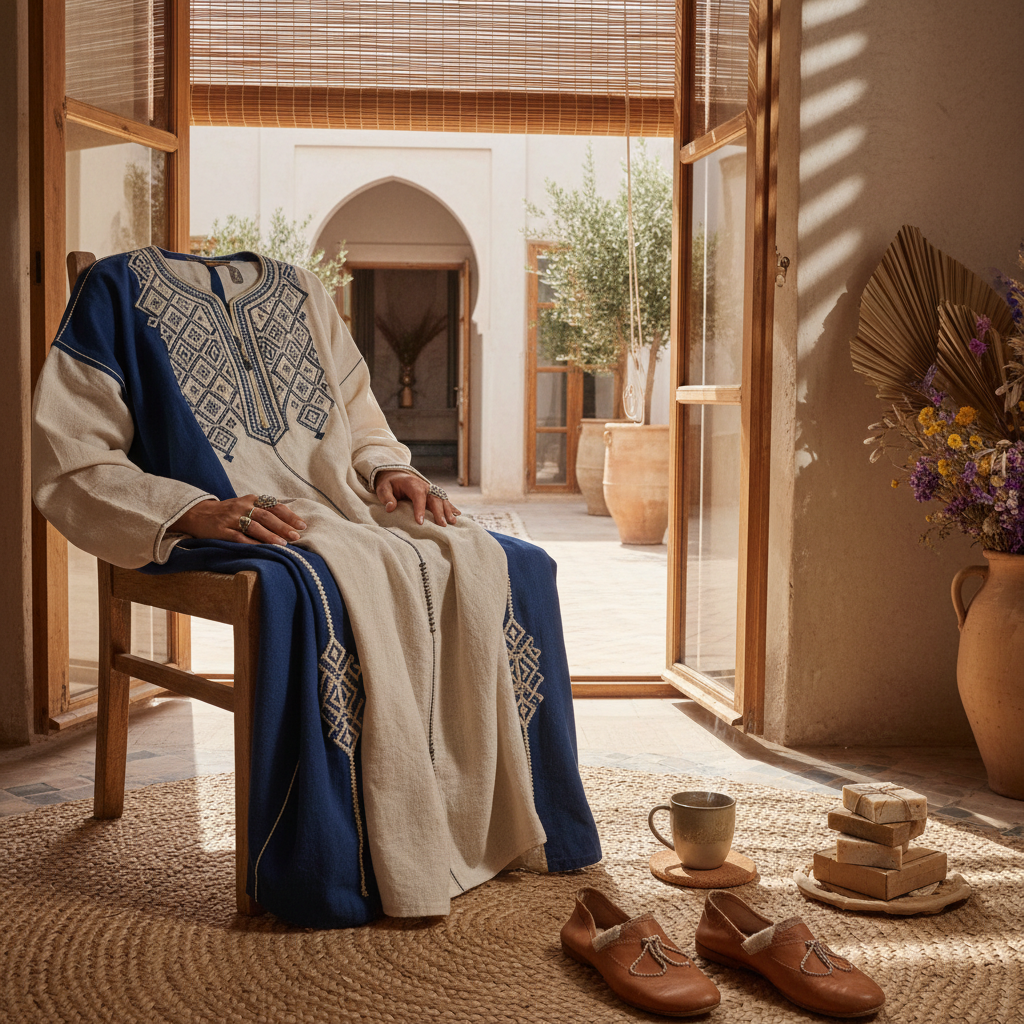
4. The Elegant Upcycled Silk Abaya with Modern Cut
For a truly unique and sustainable option, seek out abayas crafted from upcycled or deadstock silk. These pieces often feature a modern, minimalist cut, allowing the luxurious fabric and its journey to take center stage. The beauty of upcycled silk lies in its reduced environmental impact, giving new life to exquisite materials. Moroccan elements might be subtly incorporated through color palettes or a refined, elegant drape.
- Fabric: Upcycled or Deadstock Silk (diverted from landfill, minimal new resource use)
- Color: Soft pastels, sophisticated neutrals, or unique prints from existing rolls.
- Occasion: Dinner parties, art events, sophisticated social gatherings.
- Hijab Pairing: Matching silk or modal scarf.
- Accessories: Fine jewelry, designer clutch bag.
- Shoes: Elegant heels or pointed flats.
5. The Ecovero™ Viscose Flowing Everyday Abaya
Ecovero™ Viscose is derived from sustainable wood sources and produced with significantly lower fossil energy and water use than conventional viscose. It offers a beautiful drape and a soft feel, making it an excellent choice for a comfortable, stylish, and ethical everyday abaya. This style often features a slightly more fitted bodice with a full, flowing skirt, allowing for graceful movement. Discover a range of beautiful designs at AMO Fashion’s modest dresses collection.
- Fabric: Ecovero™ Viscose (certified sustainable wood, responsible production)
- Color: Versatile solids like black, grey, forest green, or subtle patterns.
- Occasion: Daily wear, office, casual outings, family visits.
- Hijab Pairing: Chiffon or Jersey hijab for comfort and ease.
- Accessories: Everyday tote bag, simple watch.
- Shoes: Loafers, ballet flats, or ankle boots.
Embracing an eco-friendly Moroccan abaya means investing in quality, craftsmanship, and a better future. When you choose sustainable, you’re not just buying a garment; you’re supporting ethical practices and preserving the stunning beauty of Moroccan culture. Explore more inspiring modest fashion options at AMO Fashion’s abaya collection.
FAQs About Eco-Friendly Moroccan Abayas
Q: What makes an abaya “Moroccan” beyond just being eco-friendly?
A: Moroccan abayas are often distinguished by their vibrant color palettes, rich embroidery inspired by traditional patterns (like Fassi embroidery), often more relaxed kaftan-like silhouettes, and fabrics well-suited for warmer climates. They tend to have broader sleeves and a more elaborate, celebratory feel compared to simpler Gulf styles.
Q: How do I verify sustainability claims when buying an abaya online?
A: Look for specific certifications (GOTS, Oeko-Tex, BCI for cotton, FSC for wood-derived fibers like Lyocell/Tencel, or verified recycled content). Reputable brands will be transparent about their supply chain, dyeing processes, and ethical labor practices.
Q: Are eco-friendly Moroccan abayas suitable for very hot weather, and how should I care for them?
A: Yes, many eco-friendly fabrics like organic cotton, linen, Tencel™, and Cupro are excellent for hot weather due to their breathability and moisture-wicking properties. Always check the care label, but generally, gentle machine wash cold, hang dry, and cool iron will extend the life of your sustainable abaya, reducing its environmental footprint.