
Blog
7 Essential Tips for Choosing Your Perfect Moroccan Abaya in 2026
15
Jul
Jul
7 Essential Tips for Choosing Your Perfect Moroccan Abaya in 2026
Stepping into the world of modest fashion, the Moroccan abaya stands out with its unique blend of tradition, elegance, and comfort. More than just a garment, it’s a statement of grace that has captured hearts globally. But with so many beautiful options, how do you choose the one that’s perfect for you? This guide breaks down everything you need to know to find your ideal Moroccan abaya, ensuring both style and practicality for every occasion.
1. Understand the Distinctive Moroccan Abaya Style
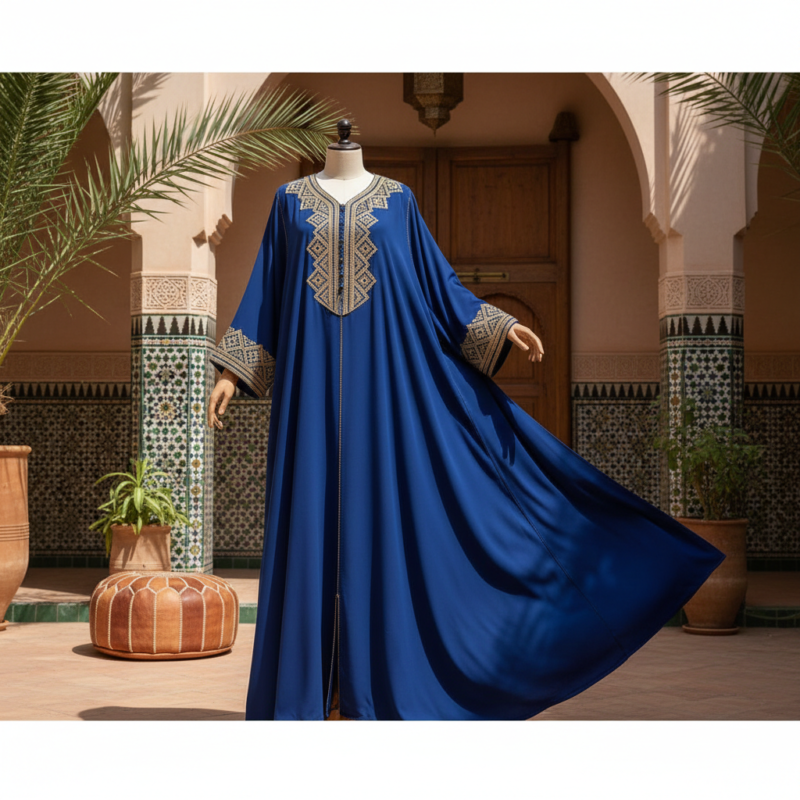
What sets a Moroccan abaya apart? It often features intricate embroidery, a slightly more structured yet flowing silhouette compared to other abayas, and rich cultural motifs. Unlike a generic kaftan, which can be very free-flowing, a Moroccan abaya frequently incorporates tailored elements while maintaining its characteristic modesty and elegance. They often draw inspiration from Moroccan kaftan designs but are adapted for abaya wear.
2. Select the Right Fabric for Comfort and Climate
The fabric dictates comfort, drape, and suitability for different climates. Choosing wisely ensures your abaya not only looks stunning but feels great too.
- Crepe: A popular choice for its beautiful drape and wrinkle resistance, ideal for formal wear and travel.
- Silk/Satin: Luxurious and smooth, perfect for evening events or when you want a radiant look. It drapes elegantly but can be delicate.
- Linen: Excellent for warmer climates due to its breathability. Offers a relaxed, sophisticated feel.
- Cotton: Breathable and comfortable for daily wear, especially in hot weather. Look for high-quality cotton for better drape and less transparency.
💡 Pro Tip: For the most breathable and least see-through option in hot weather, a high-quality, opaque cotton or linen blend is your best bet!
3. Master the Fit: Comfort Meets Elegance
A well-fitting abaya enhances your overall look while maintaining modesty. Moroccan abayas typically offer a more shaped silhouette than some traditional abayas, but should still allow for ease of movement.
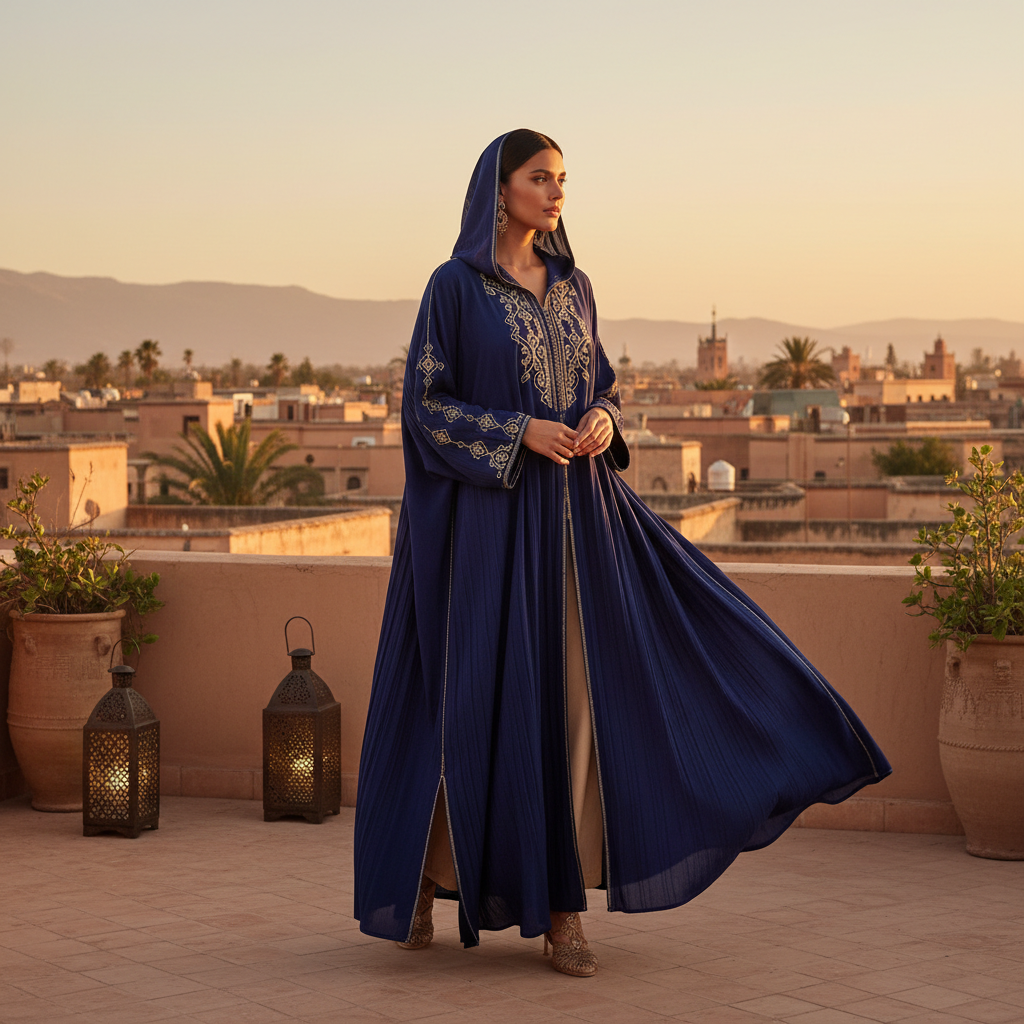
- Loose vs. Tailored: While traditionally loose, some Moroccan designs incorporate subtle shaping. Ensure it’s not restrictive anywhere.
- Sleeve Length: Sleeves should reach your wrists. Many feature beautiful bell sleeves or narrower cuffs.
- Hem Length: The abaya should fall gracefully to your ankles, covering your feet without trailing on the ground, preventing tripping and wear.
- Petite/Plus-Size Tips: Look for brands offering specific sizing. Petite individuals might prefer designs with vertical embroidery to elongate the figure, while plus-size wearers can embrace flowing fabrics that drape beautifully without adding bulk.
4. Choose by Occasion: From Daily Wear to Grand Events
The versatility of the Moroccan abaya means there’s one for every event. Consider the formality and desired impact.
- Daily Wear: Opt for simple designs in cotton or linen, perhaps with minimal embroidery and an open-front style for easy layering.
- Eid Celebrations: Choose richer fabrics like crepe or satin, with more elaborate embroidery or unique color combinations.
- Weddings/Formal Events: Look for luxurious silk or highly embellished designs often featuring intricate beadwork or crystal accents.
- Prayer: Comfort, opacity, and ease of movement are key. Simple, loose-fitting cotton or soft crepe abayas are ideal.
- Travel: Wrinkle-resistant fabrics like crepe are excellent. An open-front abaya can be a stylish and practical layering piece.
5. How to Spot Quality Before Buying Online
Ensuring you invest in a quality piece is crucial, especially when shopping remotely. Always check:
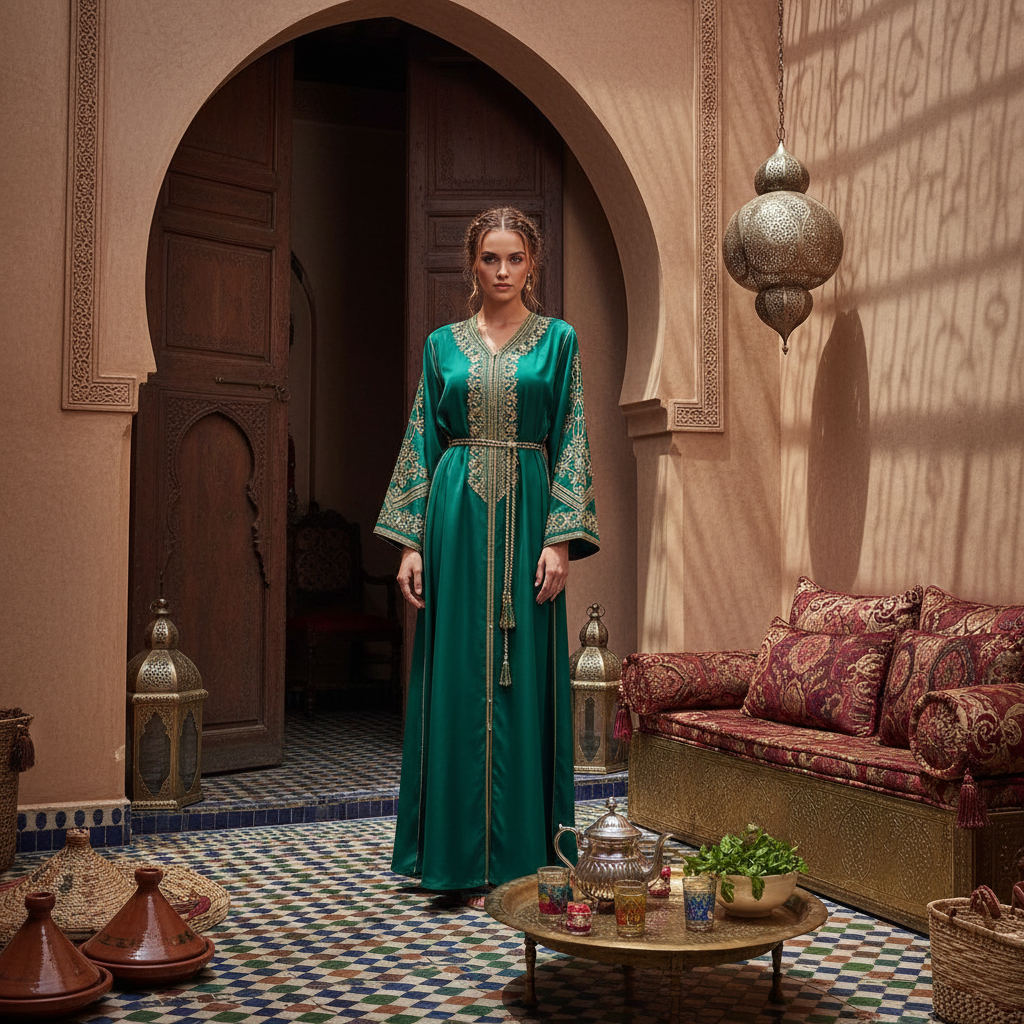
- Stitching: Look for neat, even seams and secure embroidery. Loose threads are a red flag.
- Lining: A good abaya, especially one made from lighter fabrics, will be lined to ensure opacity.
- Embroidery Density: High-quality embroidery is dense, even, and securely attached, not sparse or prone to snagging.
- Drape and Opacity: Read reviews and examine product photos closely for how the fabric falls and if it appears see-through.
- Seam Finish: Interiors should be neatly finished, often with French seams or overlocked edges, not raw or fraying.
“Fashion is about dressing according to what’s fashionable. Style is more about being yourself.” – Oscar de la Renta
6. Styling Your Moroccan Abaya with Flair
Accessorizing can transform your abaya from simple to spectacular. For more styling inspiration and to discover exquisite pieces, explore Amo Fashion’s Abaya Collection.
- Hijab Pairing: Match or contrast colors and textures. A silk hijab elevates a crepe abaya, while a cotton hijab complements a linen one.
- Shoes: Heels or embellished flats for formal events; comfortable sandals or sneakers for daily wear.
- Accessories: A statement belt can define your waist, while delicate jewelry or a chic handbag completes the look.
- Seasonal Layering: Add a lightweight cardigan in cooler months or opt for breathable fabrics in summer.
7. Essential Care for Longevity and Beauty
Proper care preserves the beauty and integrity of your Moroccan abaya, especially if it features delicate embroidery.
- Washing Embroidery: Hand wash embroidered areas with cold water and mild detergent, or opt for dry cleaning for heavily embellished pieces.
- Steaming vs. Ironing: Steaming is gentler on most fabrics and ideal for embroidery. If ironing, use a low heat on the reverse side of embellished areas.
- Storage: Hang your abaya on a padded hanger in a cool, dry place to maintain its shape and prevent creasing.
For a curated selection of high-quality Moroccan abayas designed with intricate details and exceptional fabrics, visit Amo Fashion’s Moroccan Abaya range today.
What is a Moroccan abaya?
A Moroccan abaya is a modest garment influenced by traditional Moroccan kaftans, often featuring elaborate embroidery, a distinct cut, and luxurious fabrics. It combines the conservative style of an abaya with Moroccan aesthetic elements.
How should a Moroccan abaya fit?
It should fit gracefully, allowing for comfortable movement without being overly baggy. While often flowing, some designs have subtle shaping. The length should reach your ankles, and sleeves should cover your wrists.
Which fabric is best for hot weather?
For hot weather, breathable fabrics like high-quality cotton or linen are best. These materials offer comfort, absorb moisture, and generally provide good opacity without feeling heavy.