
Blog
7 Exquisite Ethnic Wear Inspired Abaya Styles for 2026
09
May
May
7 Exquisite Ethnic Wear Inspired Abaya Styles for 2026
Tired of the same old abaya designs? Imagine blending the timeless elegance of modest fashion with the vibrant artistry of global ethnic wear. Ethnic wear inspired abayas are revolutionizing our wardrobes, offering a stunning fusion that celebrates heritage while embracing modern style. Let’s dive into some truly exquisite styles that will set you apart!
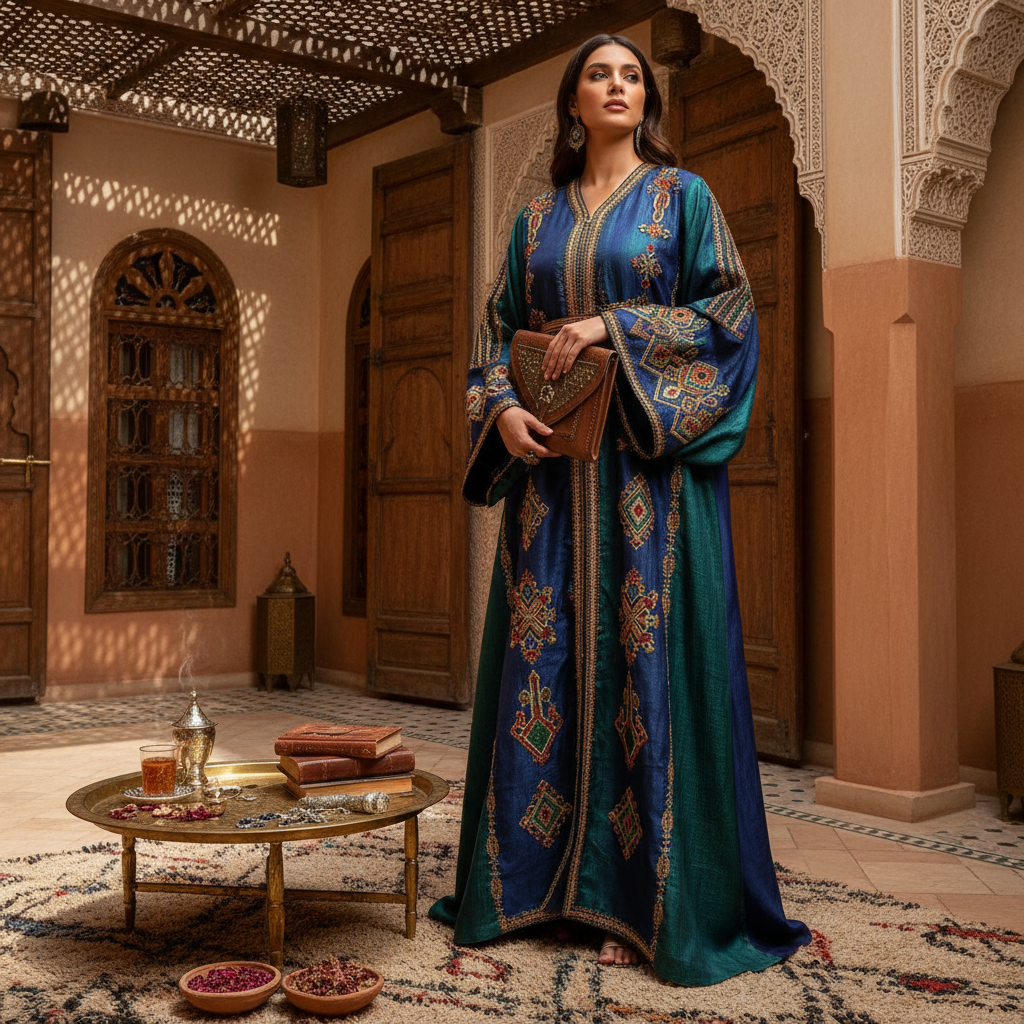
1. The Moroccan Kaftan Abaya
Drawing inspiration from the opulent Moroccan kaftan, these abayas feature intricate embroidery (sfifa) and luxurious fabrics. Think loose, flowing silhouettes adorned with gold or silver thread work, often around the neckline and cuffs.
- Fabric: Often silk, satin, or georgette for a fluid drape.
- Color: Jewel tones like emerald green, sapphire blue, or deep burgundy.
- Occasion: Perfect for special evenings, weddings, or formal gatherings.
- Styling: Pair with delicate gold jewelry and an embellished clutch.
2. The Indian & Pakistani Embroidered Abaya
This style seamlessly integrates detailed hand embroidery techniques like Chikankari (Lucknow, India), Zardozi, or Phulkari (Punjab, India/Pakistan). These abayas are a canvas of cultural storytelling.
The motifs often feature floral patterns, paisleys, or geometric designs. For a full range look, explore Sizzling Dresses for Hijab – Amofashion Ltd which includes many intricate options.
- Fabric: Crepe, georgette, or even cotton for lighter versions.
- Color: Pastels, creams, or rich, earthy tones.
- Occasion: Eid celebrations, family functions, or semi-formal events.
- Styling: Accessorize with traditional jhumkas (earrings) and a contrasting chiffon hijab.
3. The African Print (Ankara) Abaya
Bold, vibrant, and undeniably unique, the African print abaya features geometric patterns and rich colors synonymous with West African Ankara fabric. These offer a modern, eye-catching twist to modest wear.
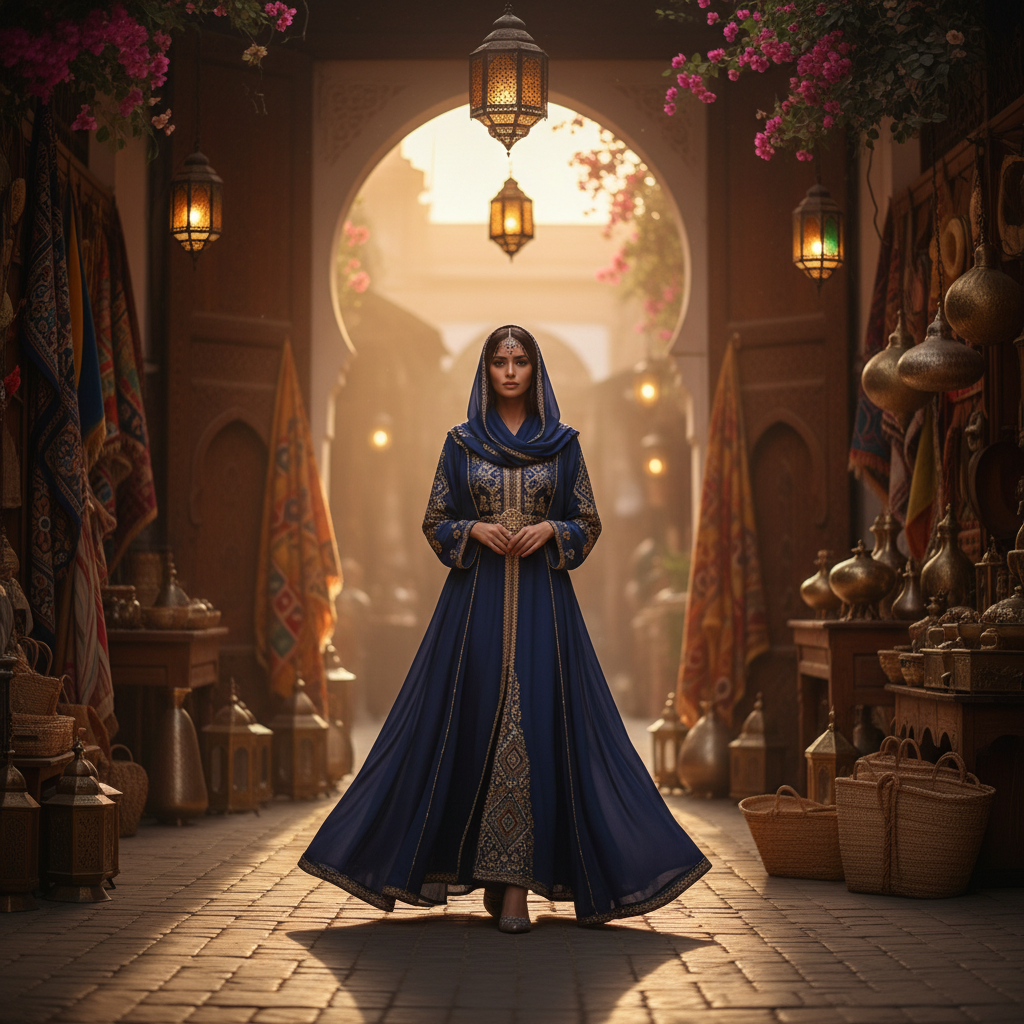
"Fashion is about dreaming and inspiring others. An abaya infused with ethnic prints is a celebration of global artistry and personal identity."
- Fabric: Breathable cotton or cotton blends.
- Color: Multi-colored, bright, and contrasting patterns.
- Occasion: Casual outings, cultural festivals, or a statement piece for everyday wear.
- Styling: Keep accessories simple to let the print shine; a plain black or matching colored hijab.
4. The Central Asian Suzani Abaya
Inspired by the hand-embroidered textile art from Central Asia, Suzani abayas showcase elaborate floral and medallion motifs. These pieces are often true works of art, representing heritage and craftsmanship.
💡 Pro Tip: When choosing an ethnic abaya, consider the fabric’s breathability for your climate. Opt for lighter chiffons or cottons in warmer weather, and richer silks or crepes for cooler seasons or formal events.
- Fabric: Silk, velvet, or heavy cotton for the base, with detailed silk embroidery.
- Color: Reds, oranges, blues, and natural tones.
- Occasion: Weddings, cultural events, or as an heirloom piece.
- Styling: Minimalist accessories and a simple hijab to highlight the embroidery.
5. The Ottoman & Turkish Inspired Abaya
Echoing the grandeur of the Ottoman Empire, these abayas often feature rich brocade fabrics, delicate lace overlays, or embroidery inspired by traditional Turkish motifs like tulips or Iznik tile patterns.
- Fabric: Brocade, velvet, chiffon with lace, or high-quality polyester. See options like the Graceful متجر عباية Flawless Flow with High-Density Chiffon for similar flowing styles.
- Color: Deep blues, greens, purples, or classic black and gold.
- Occasion: Formal gatherings, religious holidays, or elegant evening wear.
- Styling: Pair with pearl accessories and elegant heels.
6. The Indonesian Batik Abaya
Infusing the traditional wax-resist dyed patterns of Indonesian batik, these abayas offer unique and artistic designs. Each piece can be distinct, celebrating craftsmanship and cultural narratives.
- Fabric: Cotton, silk, or rayon, chosen for its ability to hold batik dyes.
- Color: Earthy tones, indigo blues, or vibrant multi-color patterns.
- Occasion: Everyday wear, casual gatherings, or as a chic holiday outfit.
- Styling: Simple sandals and a solid-colored hijab that picks up a hue from the batik print.
7. The Palestinian Tatreez Abaya
Showcasing the exquisite Palestinian tatreez (cross-stitch embroidery), these abayas are a powerful statement of heritage. The geometric patterns and vibrant colors tell stories passed down through generations, making each abaya truly unique and meaningful.
- Fabric: Linen or comfortable cotton blends.
- Color: Red, black, and white are traditional, but modern interpretations offer diverse palettes.
- Occasion: Cultural events, community gatherings, or as a cherished everyday item.
- Styling: Wear with minimalist accessories and a simple white or black hijab to honor the intricate design.
FAQs About Ethnic Wear Inspired Abayas
How do I style an ethnic abaya for a wedding or formal event?
For weddings, choose abayas with rich embroidery (like Suzani or Zardozi) or luxurious fabrics (Moroccan Kaftan). Pair with elegant heels, a matching clutch, and formal jewelry like statement earrings or a delicate necklace. A perfectly draped silk or embellished hijab completes the look.
What are the best fabrics for ethnic abayas in hot climates?
In hot climates, opt for natural, breathable fabrics like cotton, linen, or high-quality rayon. African print abayas often come in comfortable cotton, while lighter georgette or chiffon blends can also work well, especially for styles with less layering.
Are ethnic abayas culturally authentic or fusion wear?
Many ethnic abayas are beautiful examples of fusion wear, blending traditional modest silhouettes with design elements from various cultures. While some directly incorporate inherited textile arts, others are inspired interpretations, respectfully celebrating global heritage through fashion.