
Blog
5 Fascinating Facts About Somali Abaya History and Culture
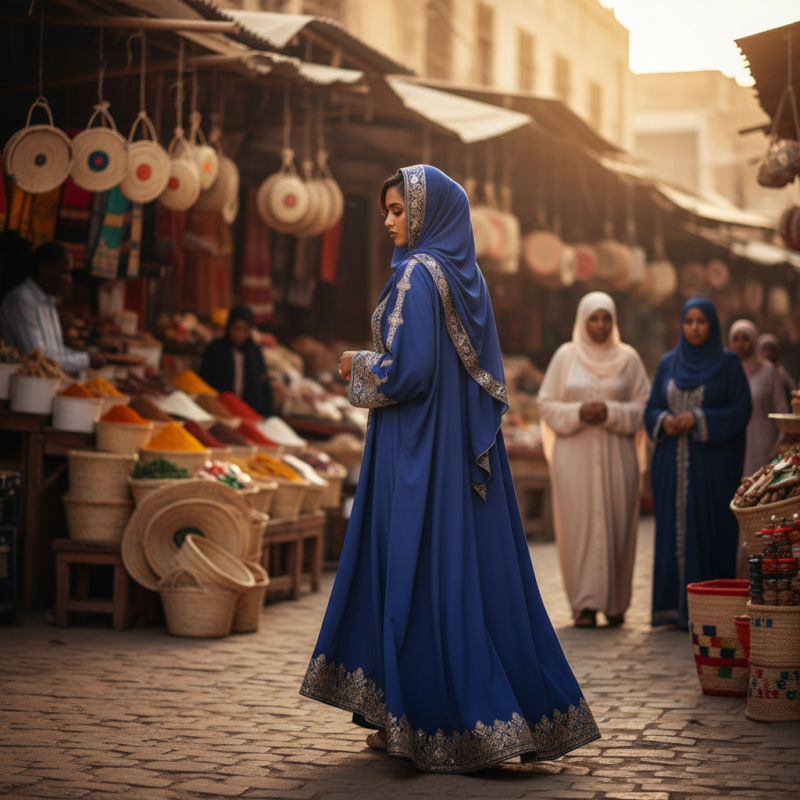
26
Apr
Apr
5 Fascinating Facts About Somali Abaya History and Culture
Ever wondered about the fascinating story behind the Somali abaya? It’s far more than just a garment; it’s a vibrant tapestry woven with history, identity, and cultural pride. Unlike the widely known Arabian abayas, the Somali version, often called geej, boasts a unique narrative deeply rooted in the Horn of Africa.
1. The Pre-Islamic Roots and “Geej” Distinction
Long before the arrival of Islam, protective, loose-fitting garments were essential for survival in the arid climates of the Horn of Africa. Both men and women wore practical, flowing fabrics to shield themselves from the harsh sun and winds. This early form laid the groundwork for what would evolve into the Somali geej.
- Geej Fabric: Traditionally made from durable, lightweight polyester or nylon, perfect for the often-arid Somali climate. It’s practical, breathable, and designed for longevity.
- Early Purpose: Primarily utilitarian, offering crucial protection against environmental elements, similar to global desert cultures.
- Etymology: While “abaya” is Arabic for a cloak, “geej” is the indigenous term used in Somalia, highlighting its distinct cultural identity.
“The geej isn’t just clothing; it’s a whisper of our ancestors, a shield against the elements, and a canvas for our stories.” – Somali Weaver, Mogadishu
2. Islamic Influence and Modesty Evolution
With the advent of Islam in the 7th century, the cultural understanding of modesty deeply impacted the existing garment practices. While pre-existing loose clothing aligned with Islamic principles, the geej began to specifically embody spiritual and community values of humility and deference.
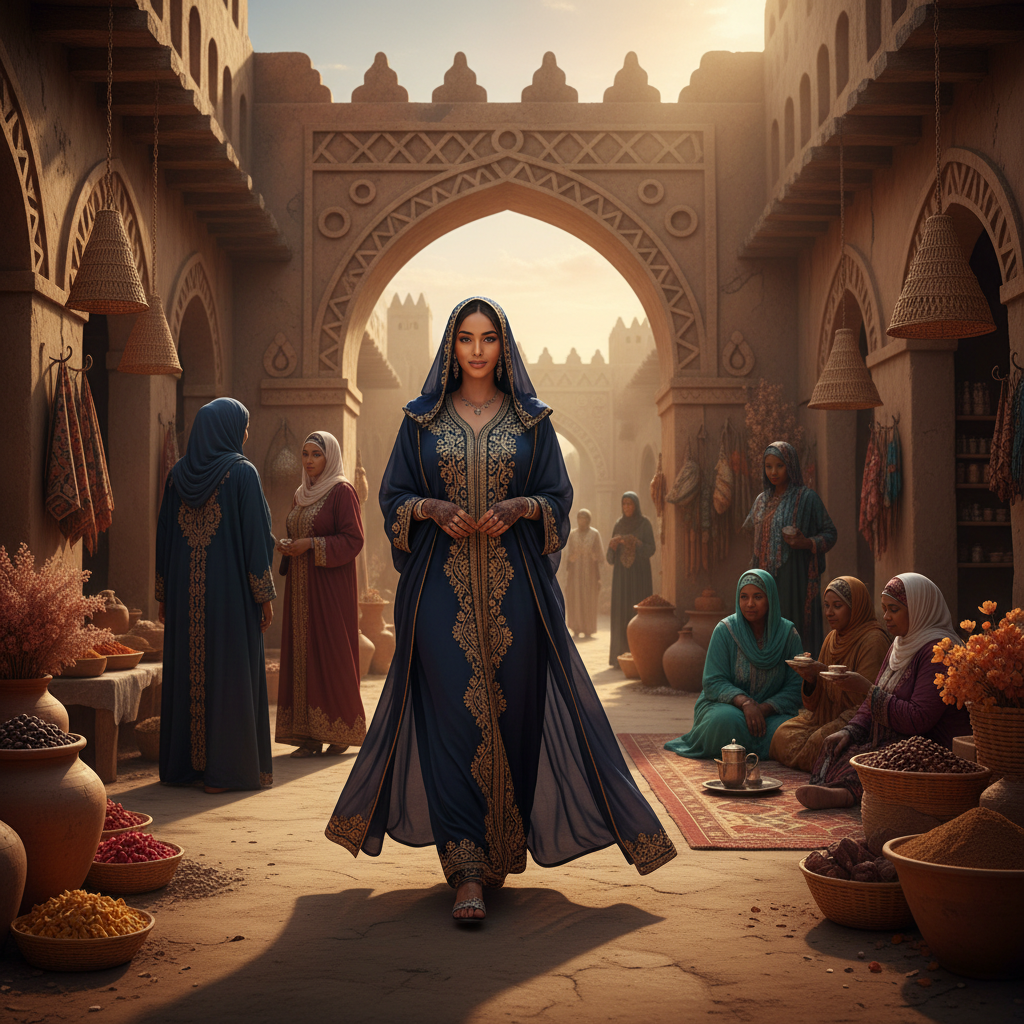
The Quranic injunctions regarding modest dress, particularly the mention of jilbab (a loose outer garment), reinforced and standardized the practice of covering. This wasn’t about imposing a new garment, but rather infusing traditional attire with deeper religious significance.
💡 Pro Tip: Embrace the versatility of your Somali abaya! Pair a simple black geej with a vibrant patterned scarf for a striking contrast, ideal for both everyday wear and special occasions.
3. Unique Somali Embroidery and Clan Identity
One of the most striking differences setting the Somali geej apart is its distinctive embroidery, known as zariba. Unlike the often minimalist or uniformly black Arabian abayas, Somali embroidery is rich, symbolic, and often signals regional or even clan affiliations.
- Zariba Patterns: Intricate geometric designs, floral motifs, or even subtle symbols passed down through generations. These aren’t just aesthetic; they carry layers of cultural meaning.
- Color and Placement: While the base geej is often black, the embroidery can introduce blues, greens, or golds, strategically placed on the sleeves, neckline, or hem.
- Personalization: Each zariba tells a story, making every Somali abaya a unique piece of wearable art. This personal touch highlights individuality within collective modesty.
4. Post-Colonial Evolution and Diaspora Fusion
The 20th century brought significant changes to Somalia, including urbanization and post-colonial nationalism. The Somali abaya, or geej, evolved from a purely functional item into a complex statement of cultural identity, especially during times of conflict and displacement.
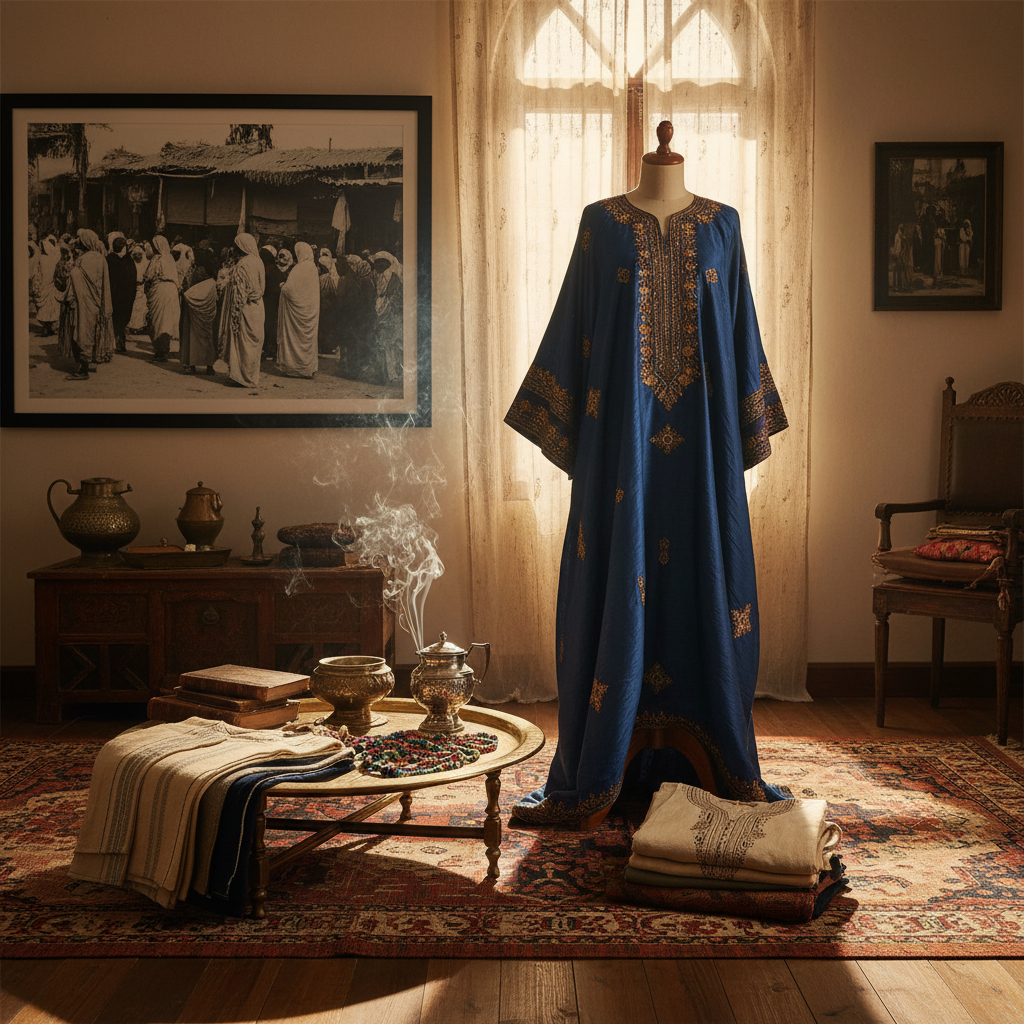
As Somalis migrated across the globe, particularly to the UK and US, the geej adapted further. The diaspora has fused traditional elements with modern modest fashion trends, creating innovative styles that blend classic zariba with contemporary cuts and fabrics.
Discover modest wear options that celebrate this blend of tradition and modernity at Amo Fashion.
5. The Abaya in Modern Somali Culture and Economy
Today, the Somali abaya remains a cornerstone of women’s attire across Somalia and among its diaspora. It symbolizes piety, cultural heritage, and resilience. The production and adornment of these garments fuel local economies, particularly in vibrant markets like Bakaara in Mogadishu, where skilled artisans craft bespoke pieces.
The choice of fabric, quality of embroidery, and tailored fit often reflect personal taste and social standing. The cultural significance extends to poetry and folklore, where the elegance and symbolism of the geej are often praised.
FAQs About Somali Abaya History and Culture
What is a Somali abaya or geej?
A Somali abaya, commonly known as a geej, is a loose-fitting outer garment worn by women in Somalia and the Somali diaspora. It’s typically made from lightweight polyester or nylon and often features unique, intricate embroidery called zariba, distinguishing it from Arabian abayas.
How does Somali abaya differ from Arabian styles?
Somali abayas (geej) are often characterized by their specific fabric (durable polyester/nylon) and intricate zariba embroidery that can symbolize clan or regional identity. While Arabian abayas are often uniformly black and minimalist, Somali styles frequently incorporate meaningful patterns and colors in their stitching, making them visually distinct.
Is the abaya mandatory in Somalia?
While wearing an abaya or modest dress is a deeply ingrained cultural and religious practice for women in Somalia, there isn’t a strict legal mandate in all regions. Modesty is highly valued, and the abaya serves as a widely accepted form of attire that aligns with Islamic principles and local customs.